Car interiors are small, busy spaces. The best ones let the driver find controls easily while passengers have enough comfort and storage for the journey. Looking closely at that experience is more useful than judging a cabin by trim color alone.
Begin at the driving position
Set the seat, steering wheel, and mirrors before assessing any other feature. Check whether the wheel, pedals, and main controls feel reachable without stretching. Instruments should be legible from the normal seated position; decorative panels should not interrupt essential sightlines. If several people drive the car, test the adjustments for each of them.
Seat shape matters over time. A short test in a showroom may not reveal pressure points, so spend as long as practical in the chosen position. Consider how easily people get in and out, especially if the vehicle will be used frequently for short trips.
Keep frequently used things close
A convenient cabin has a place for a phone, keys, glasses, water, and small travel items without letting them spill into footwells. Open compartments are quick to use, but they can look untidy and allow objects to move. Closed storage provides a calmer view. Choose an arrangement that suits the items you actually carry.
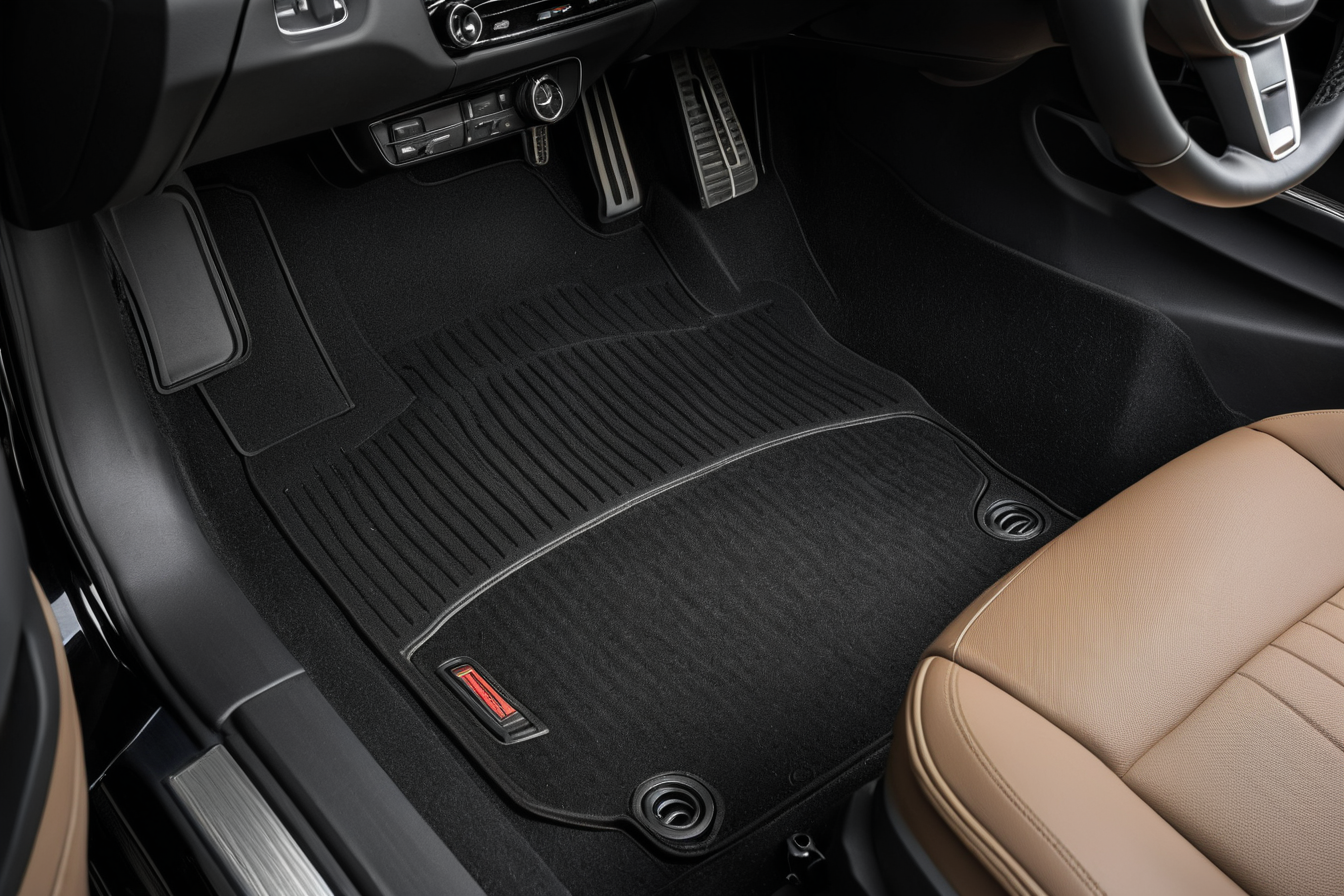
For a refresh, remove accumulated accessories first. Then decide whether a better organizer, liner, or seat cover solves a real problem. Anything added near controls, airbags, pedals, or driver sightlines needs particular care; the vehicle’s own instructions are the right starting point.
Use material and color deliberately
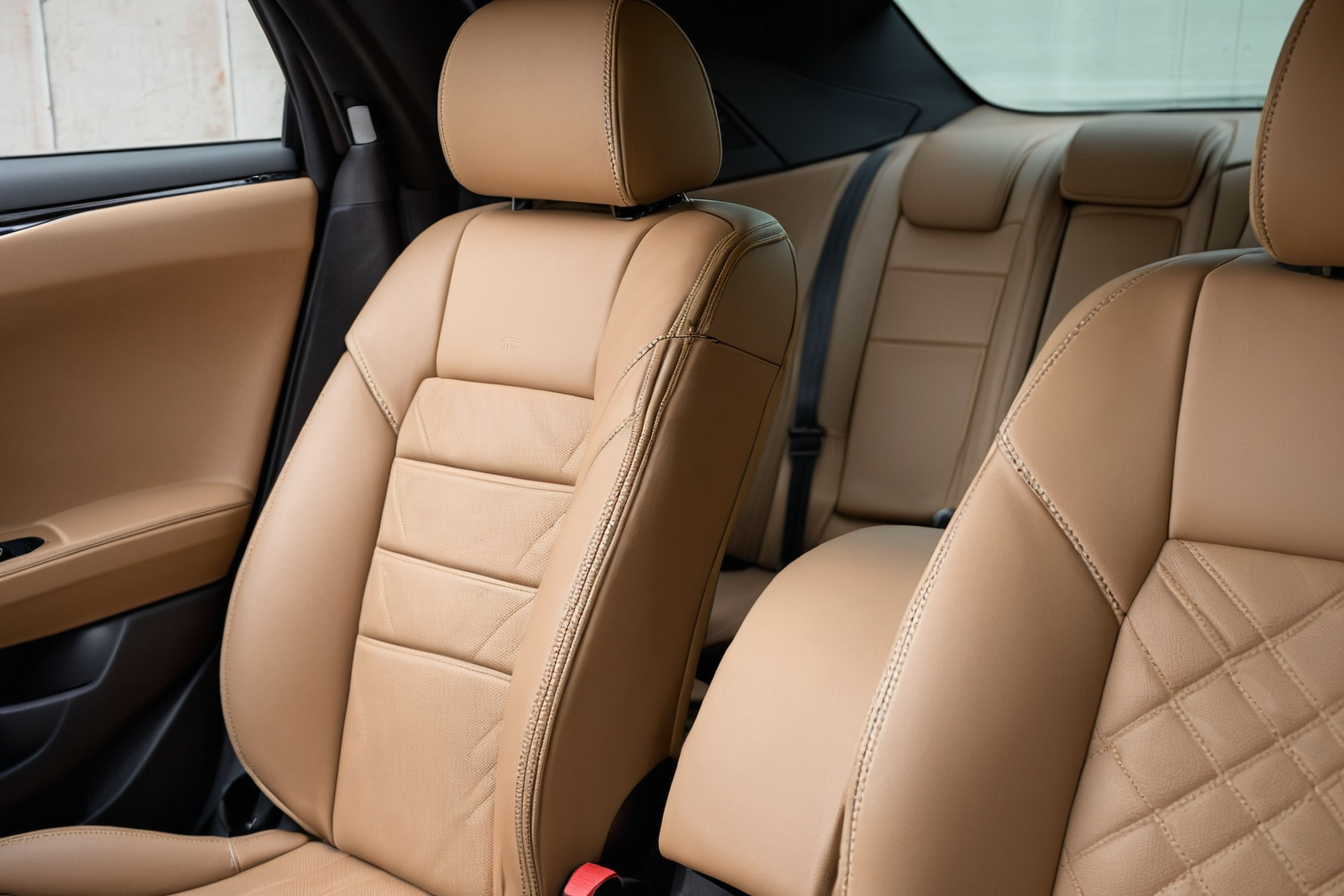
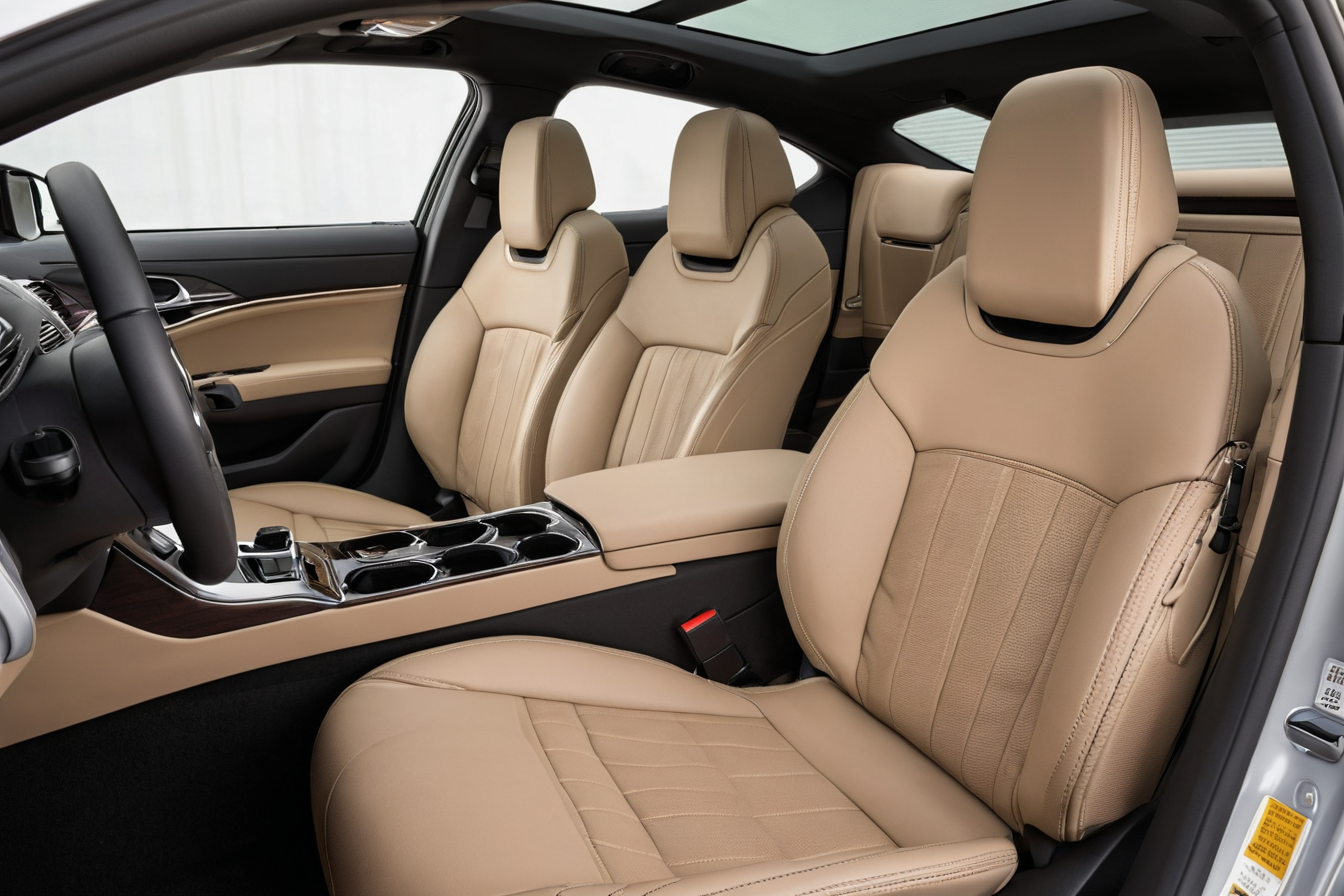
Dark surfaces can make a cabin feel settled, while lighter upholstery can make it appear more open. Neither is automatically more practical. Look at how a material feels against the hand, how it handles regular contact, and how easily it can be cleaned. A small contrast stitch or trim detail may give more character than covering every surface in a new finish.
Textures also affect the experience. Smooth trim, matte panels, and soft upholstery each catch light differently. View them in daylight and after dark, when reflections and instrument lighting change the scene.
Assess the whole journey
Sit in every seat. Check passenger legroom, ventilation access, door pockets, and the route to the luggage area. A beautiful front cabin can disappoint if the rear seats or cargo space do not support the people who use them.
A useful cabin starts with a few priorities: clear information, comfortable contact points, sensible storage, and a visual scheme that does not compete with driving. A cabin that gets those fundamentals right can feel quietly refined without extra ornament.