Car mats do more than change the appearance of a footwell. They collect the grit, moisture, and everyday debris that would otherwise reach the floor covering. The useful choice is the mat that fits the vehicle, stays where it belongs, and matches the way the car is used.
Fit comes before finish
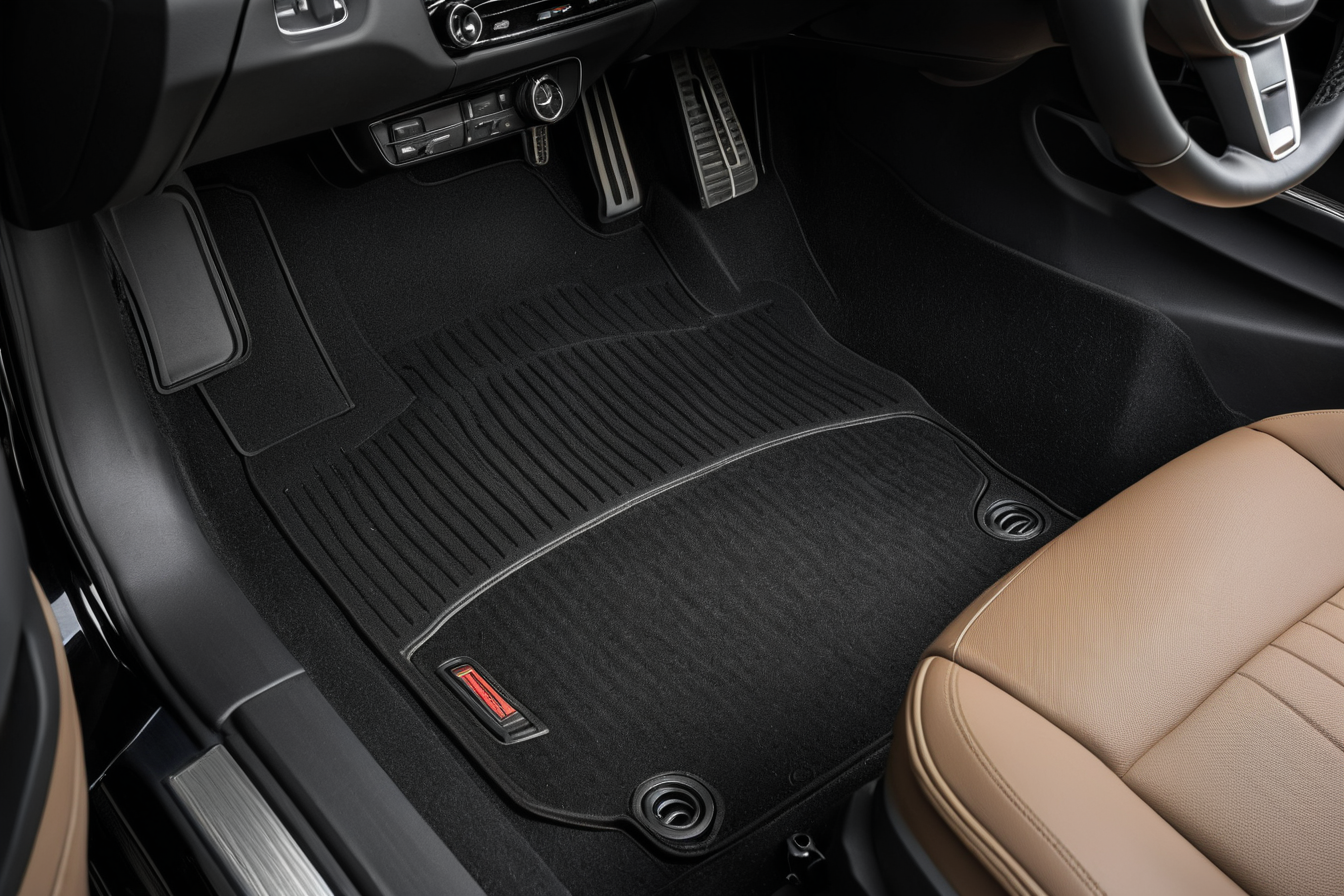
Look for a mat shaped for the exact seating position and vehicle configuration. Check the outline around seat rails and footrests, then compare it with the original floor area. A mat that bunches or folds is difficult to clean and can interfere with movement. On the driver’s side, it must sit securely and leave the pedals unobstructed.
Use the vehicle’s intended retention points where provided. Never stack a new driver’s mat on top of another mat. After installation, check pedal movement while the vehicle is stationary, and repeat the check whenever the mat has been removed for cleaning. Follow the vehicle maker’s fit guidance for the model.
Choose a surface for the conditions
Carpet mats create a softer appearance and can suit a cabin used mainly for ordinary trips. Raised-edge rubber or molded liners contain loose dirt and moisture more readily, making them useful when shoes often bring in sand or rain. The tradeoff is visual: a bulky liner can change the feel of a refined cabin.
Look at the backing as well as the top. A mat should remain stable without relying on improvised clips or loose adhesive. Check that edge height does not catch shoes and that any decorative binding can withstand repeated removal.
Think about coverage and cleaning
Inspect rear footwells, the transmission tunnel if present, and the cargo area. A set can look complete in a product image yet leave a frequently used section unprotected. If passengers often enter from one side, that area may need particular attention.
Cleaning should be simple enough to happen regularly. Shake out loose grit away from the car, vacuum carpet mats, and wash suitable liners according to their care instructions. Let mats dry before refitting them so moisture is not trapped against the cabin floor.
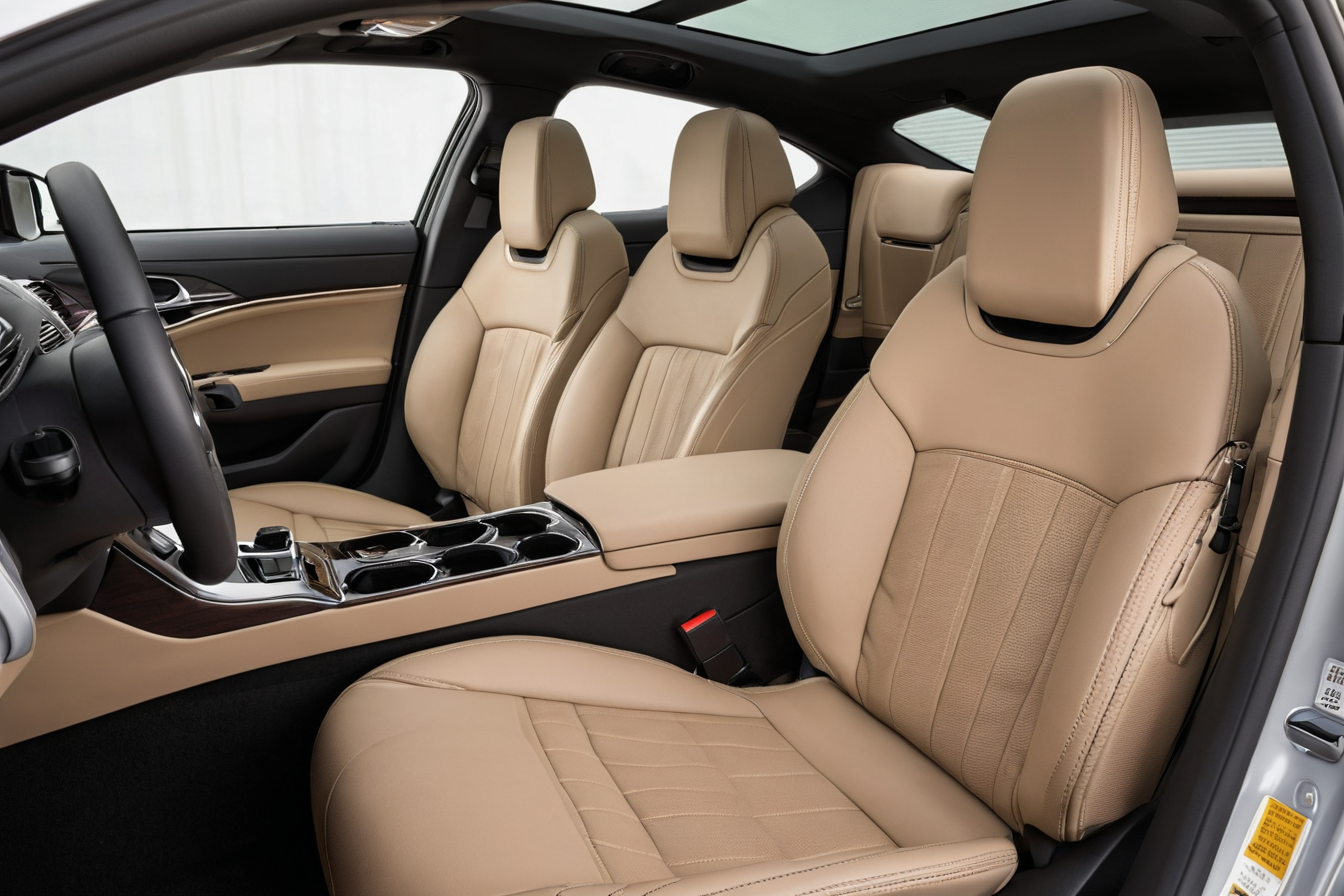
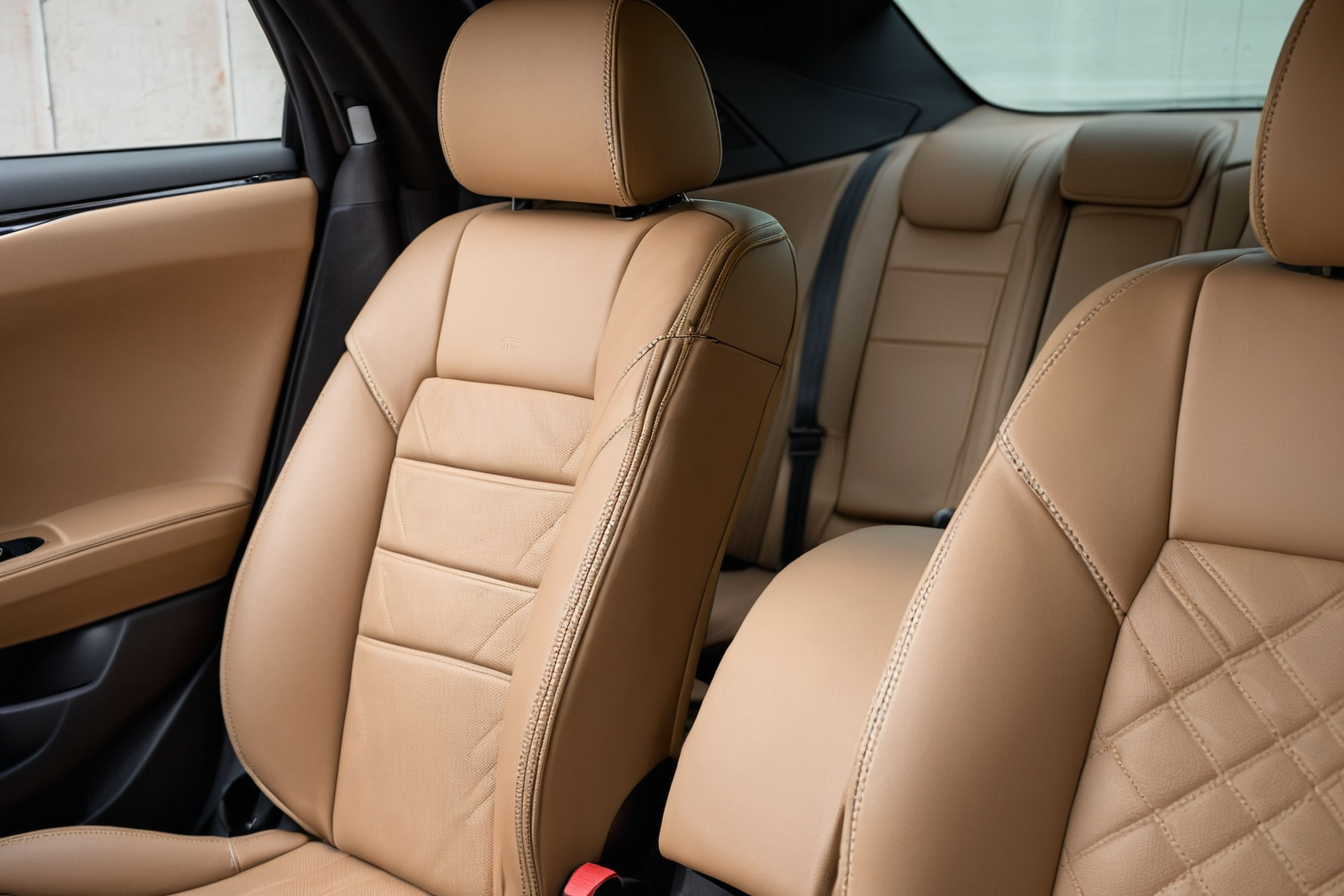
Color can echo the upholstery or provide a restrained contrast. A simple edge detail may tie a mat to the interior without drawing attention to the floor. Avoid choosing on appearance alone: stitching and logos are secondary to secure fit and usable coverage.
Once the right mats are in place, maintenance is straightforward. Check their position during routine cleaning and replace a worn or distorted mat when it no longer lies flat. That small habit helps the whole cabin look cared for.