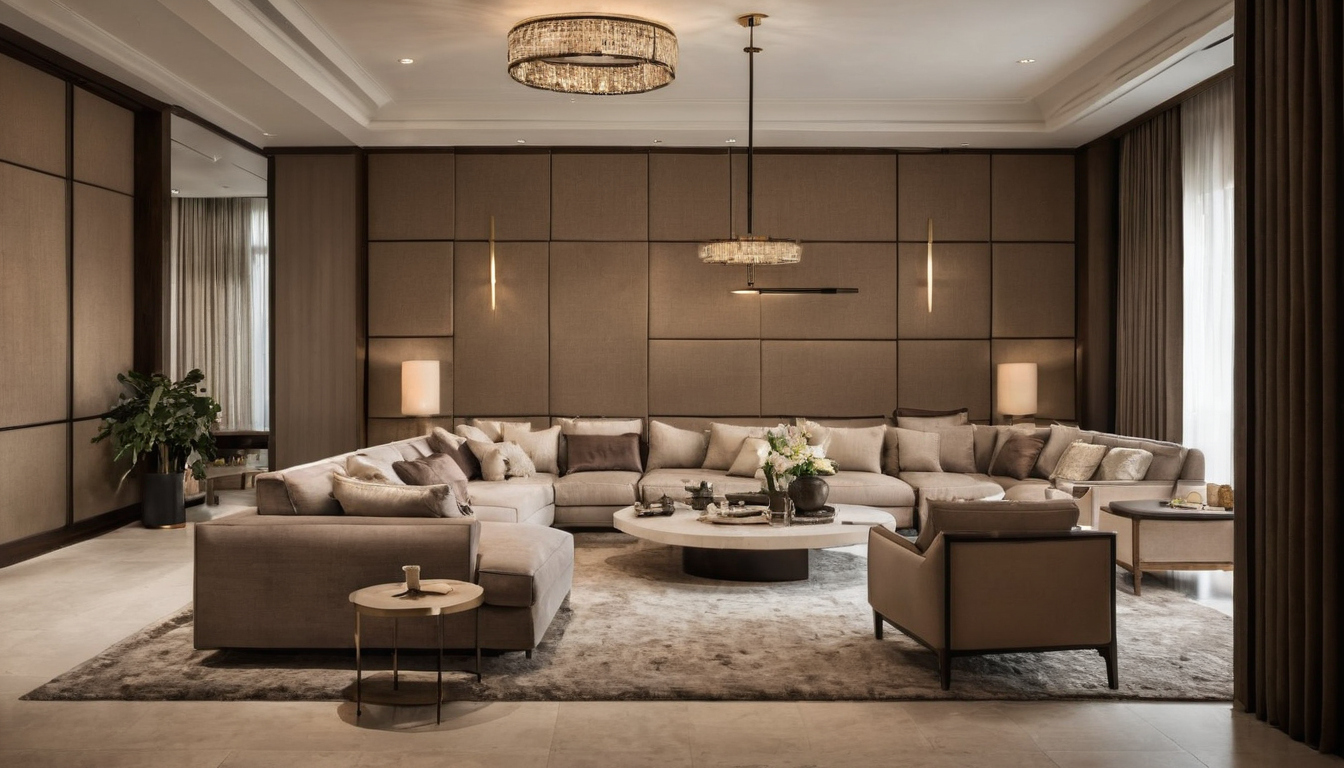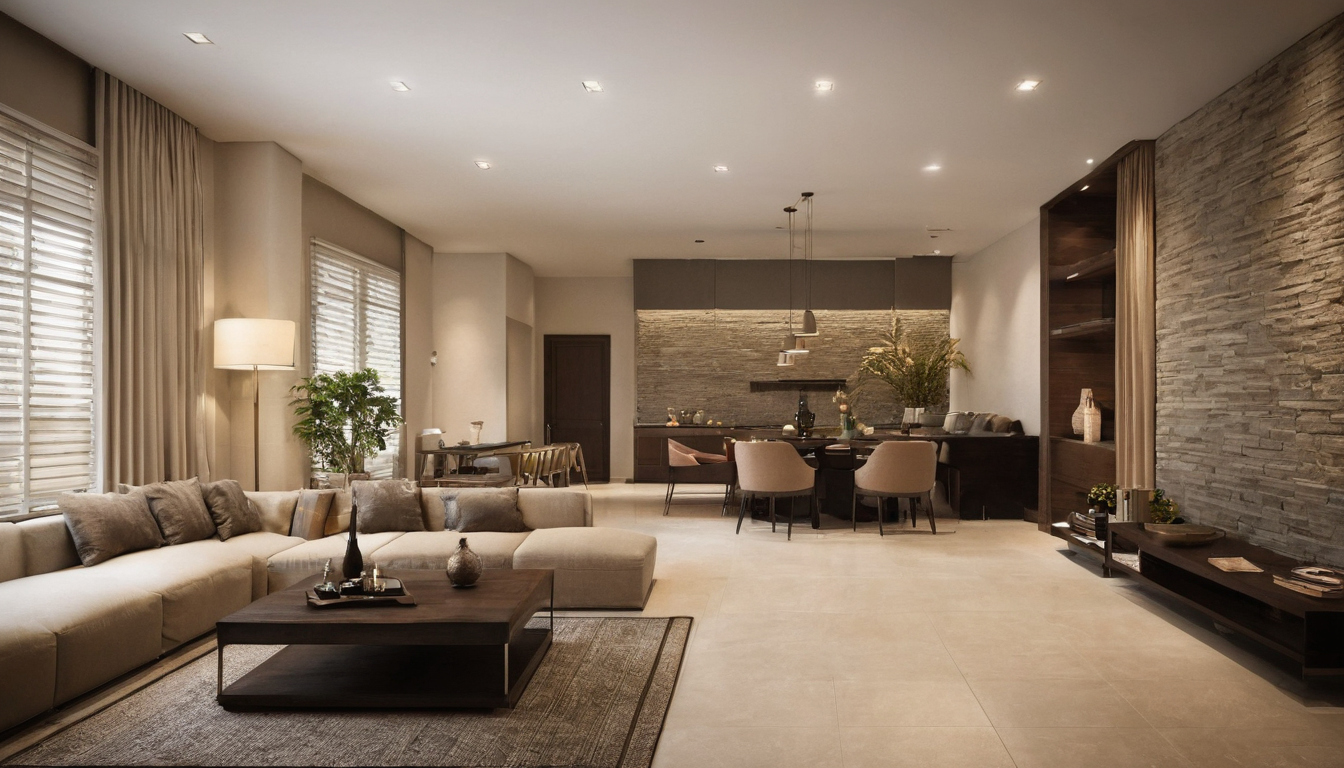
Hiring an interior decorator is useful when the challenge is choosing and coordinating furnishings, color, lighting, and finishing details. In Seattle, as anywhere, the right fit depends on the room, the scope, and how the household wants to work. A clear brief makes the first conversation more productive.
Decide what help you need
List the rooms involved and what is already working. Perhaps the living room needs a better furniture layout; perhaps colors and window treatments are the unresolved pieces. Share photographs, approximate dimensions, and the items that must stay. Be explicit about who uses the room, how often guests visit, and what daily wear the materials must handle.
Separate decorating from structural work. If walls, services, or major building elements are involved, identify the appropriate design and construction professionals for those parts. A decorator’s scope should be clear before work begins.
Use the portfolio as a conversation starter
Look for evidence of rooms that solve problems similar to yours, not only photographs in a preferred style. Ask why the furniture was arranged as shown and how the materials were selected for the people using the space. A decorator whose portfolio is varied may still have a consistent way of thinking through scale and comfort.
Bring examples you like and dislike. Explain what catches your eye: a wall color, the amount of daylight, a relaxed seating arrangement, or a piece of furniture. This gives the decorator more useful direction than a broad request for a room that feels ‘modern.’
Clarify the working process
Ask what will be delivered and how decisions will be recorded. A useful scope may include:
- A concept board and scaled furniture layout.
- A shopping list with samples for the main finishes.
- Clear responsibility for ordering, substitutions, and installation.
Confirm the number of revisions and agree on a budget range for purchases and the decorator’s fee so choices can be evaluated together.
Discuss timing in practical terms. Some pieces may need to be selected before paint or window treatments; others can wait until the main layout is settled. A written sequence prevents a decorative choice from forcing an awkward functional compromise.
Make the final room yours
Good collaboration leaves room for the household’s objects and habits. Keep the chair that is comfortable, the art that matters, or the table that has a useful scale. Ask for samples in the actual room and view them in its ordinary daylight and evening light.
The goal of hiring help is to make choices easier and the finished room simpler to use and maintain. A decorator can organise options and offer a fresh eye; the household still needs to make the final decisions.