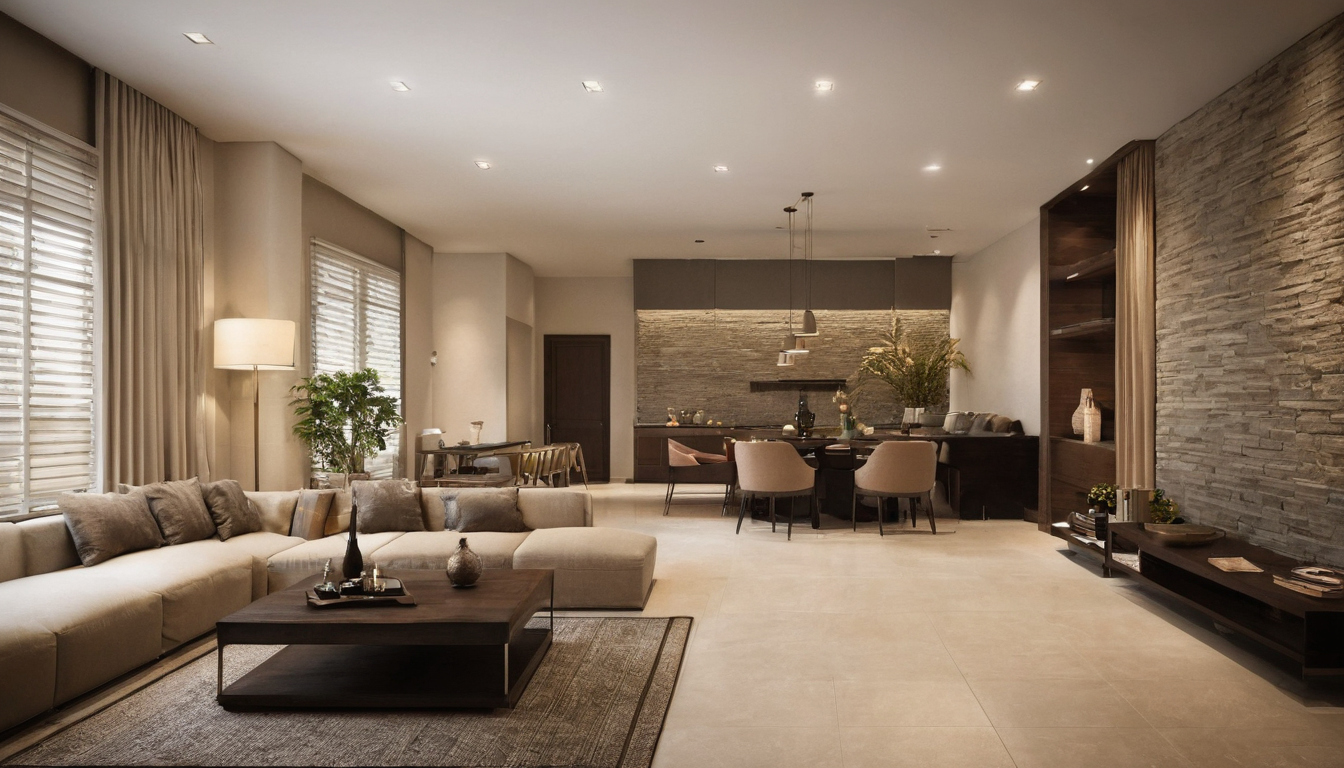
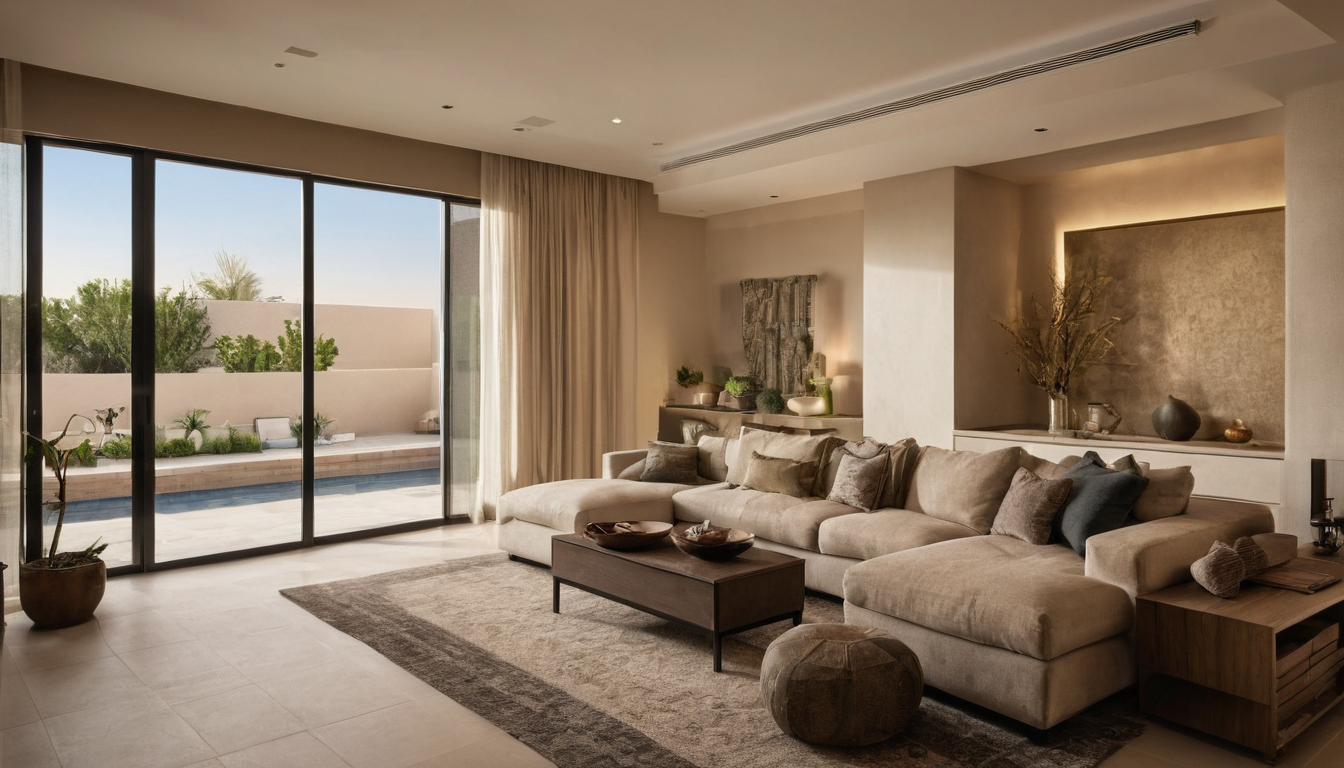
A villa owner and consultant comparing two Riyadh majlis quotations may see similar totals, yet one includes the concealed door, LED drivers, upholstery backing and installation protection while the other omits them. The cheaper total can become the more expensive appointment once those visible scope gaps reach production.
A reliable comparison starts with scope, moves through measured quantities and specifications, and ends with schedule risk. A lump sum without traceable drawings, materials and trade responsibilities is not a controlled price.
What should a Riyadh villa majlis joinery quotation include?
A Riyadh villa majlis joinery quotation should define every fixed item, measured quantity, construction, finish, hardware, installation method and trade interface. It should also state the project location, issue date, drawing revisions, validity period and VAT treatment.
A majlis joinery scope must identify each fixed element by drawing reference
The approved plan, reflected ceiling plan, elevations, BOQ and room-by-room Saudi villa brief should describe the same package. Every item code needs a drawing reference, quantity and written boundary with adjoining trades.
| Scope test | Quotation entry required |
|---|---|
| Fixed elements | Panels, display units, doors, screens, cornices, skirting and concealed storage |
| Measured extent | Counts, dimensions, openings, returns and repeated modules |
| Trade boundaries | Joinery, gypsum, stone, metalwork, glass, upholstery and loose furniture |
| Delivery scope | Transport, samples, mock-ups, protection, installation, snagging and cleaning |
Complete working drawings support accurate bidding by coordinating plans and specifications across the required project systems. The California Department of General Services describes this principle for its own public-project process, including documented review of scope and funding changes. It is a useful change-control example, not a Saudi contractual requirement.
A complete joinery specification must separate carcass, face, edge, and finish materials
“Wood finish” is not a specification. The quotation should name the board type, thickness, grade and location, then define veneer species, cut, matching, backing, stain, sheen and approved sample. Laminate, lacquer, solid timber, edge-banding, adhesive and substrate also require product data.
Finish selection should account for indoor use: the US Environmental Protection Agency identifies building materials, furnishings, paints and varnishes as indoor VOC sources. Where joinery meets stone, the maintenance specification should reflect the Natural Stone Institute guidance on neutral cleaners. Damp substrates must be corrected before enclosure, consistent with US Environmental Protection Agency moisture guidance.
Majlis joinery prices differ because quantities and specifications differ
Two majlis joinery prices are comparable only when the measured scope, materials, finishes, hardware and installation assumptions match.
How should majlis wall panels and cabinets be measured?
- Check the takeoff against dimensioned elevations, separating gross panel area from net area after agreed deductions.
- Use square meters for flat paneling, linear meters for cornices and skirting, and item rates for cabinets, concealed doors and complete assemblies.
- Record openings, reveals, columns, niches, pilasters, deep returns, curved work and double-height panels.
- State waste allowances for sheet optimization, veneer sequencing, patterned panels and solid timber.
Which material specifications change a majlis joinery rate?
- Compare board type, thickness, face material, edge treatment, adhesive and lacquer system against approved samples.
- State whether veneer is random matched, slip matched or book matched and whether adjacent panels require sequencing.
- Match hardware by model, finish, quantity, load rating and warranty.
- Separate factory finishing, delivery, protection and installation.
Integrated lighting needs defined profiles, LED tape, drivers and maintenance access. Where qualified products are applicable, ENERGY STAR states that qualified LED lighting uses at least 75 per cent less energy and lasts up to 25 times longer than incandescent lighting. If joinery incorporates stone shelves or inserts, the finish and care schedule should also exclude abrasive powders or creams that the Natural Stone Institute warns can scratch natural stone.
Modern, Arabic, and classic majlis design labels do not determine joinery cost
Modern majlis interior design, Arabic majlis interior design and classic majlis design are not reliable pricing categories. Cost follows geometry, repeated modules, material build-up, finish quality, hardware and installation access.
A detailed classic majlis costs more only when the details require more work
Classic detailing needs a higher allowance when drawings specify numerous moldings, arches, capitals, cornices, inlays or carved overlays. The estimator should count each profile and record its dimensions, substrate, fixing method and finish. CNC machining, hand finishing, specialist carving and full-size mock-ups need identifiable allowances rather than a vague style premium.
A restrained modern majlis can still contain expensive concealed work
Modern detailing can require flush doors, aligned veneer fields, shadow gaps, concealed hinges, removable access panels and integrated lighting. These features depend on accurate substrates and coordinated services. Finishing plans should provide increased ventilation where products emit volatile organic compounds, as recommended by the US Environmental Protection Agency.
The largest majlis scope gaps occur at trade interfaces
The costliest omissions often fall between packages. Upholstery bases, lighting components, wiring, stone inserts, glass, metal trims, air-conditioning grilles and substrate preparation each need one named owner.
Who supplies and connects lighting integrated into majlis joinery?
The responsibility matrix must allocate profiles, diffusers, LED tape, drivers, cable routes, controls, termination, testing and commissioning. Shop drawings must show accessible driver locations for maintenance.
Who owns the interface between majlis joinery and upholstery?
Joinery and upholstery drawings must agree on seat bases, backing boards, foam build-up, trims, removable panels and finished dimensions. The quotation must identify who templates, supplies and fixes each component.
Who prepares walls and floors before majlis joinery installation?
The joinery contractor should record wall plumb, floor levels, service positions, fixing substrates and protection requirements before production. Responsibility differs across design-only, supervision, and turnkey contract models.
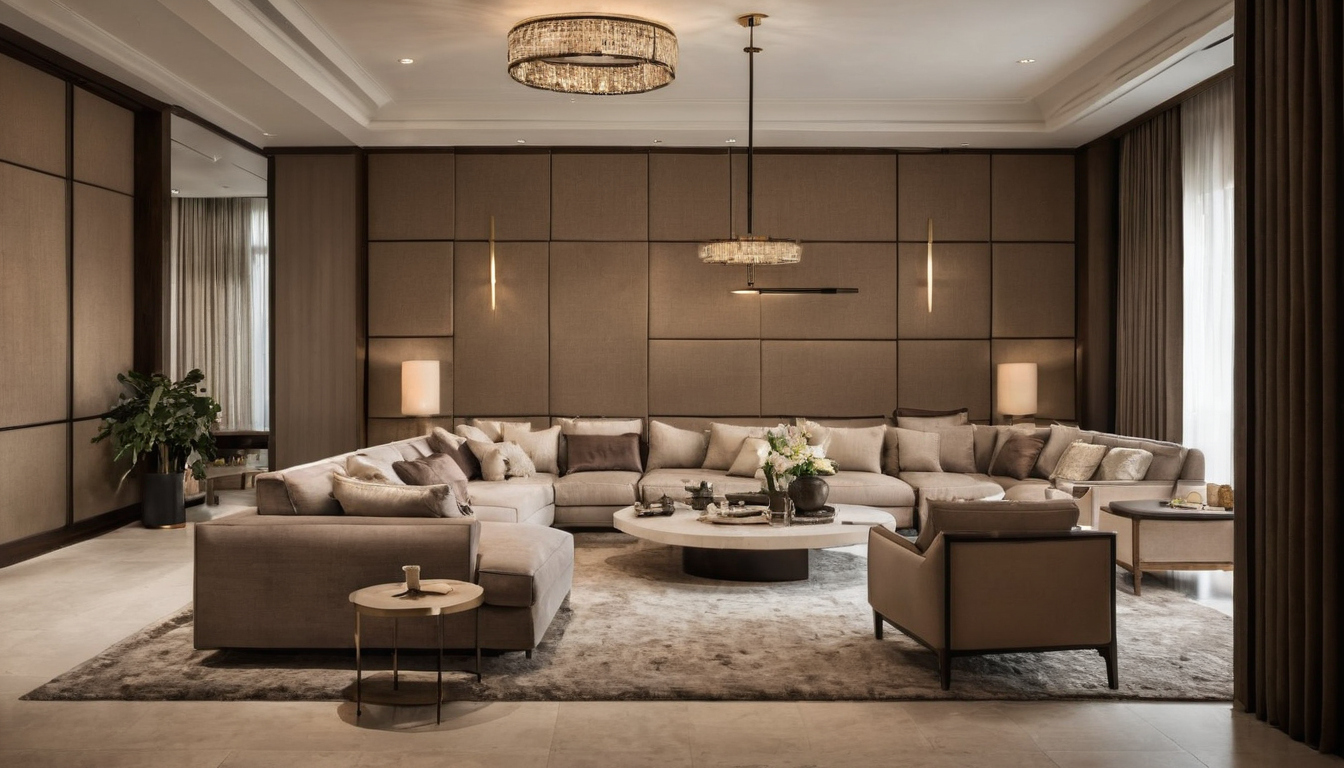
A worked majlis joinery cost example must reconcile drawings, quantities, and variations
A defensible example uses one anonymized Riyadh villa package with a fixed drawing revision and quotation date. The BOQ, accepted quotation, approved shop drawings and variation log must state currency, VAT treatment, payment terms and procurement route without presenting one project as a market benchmark.
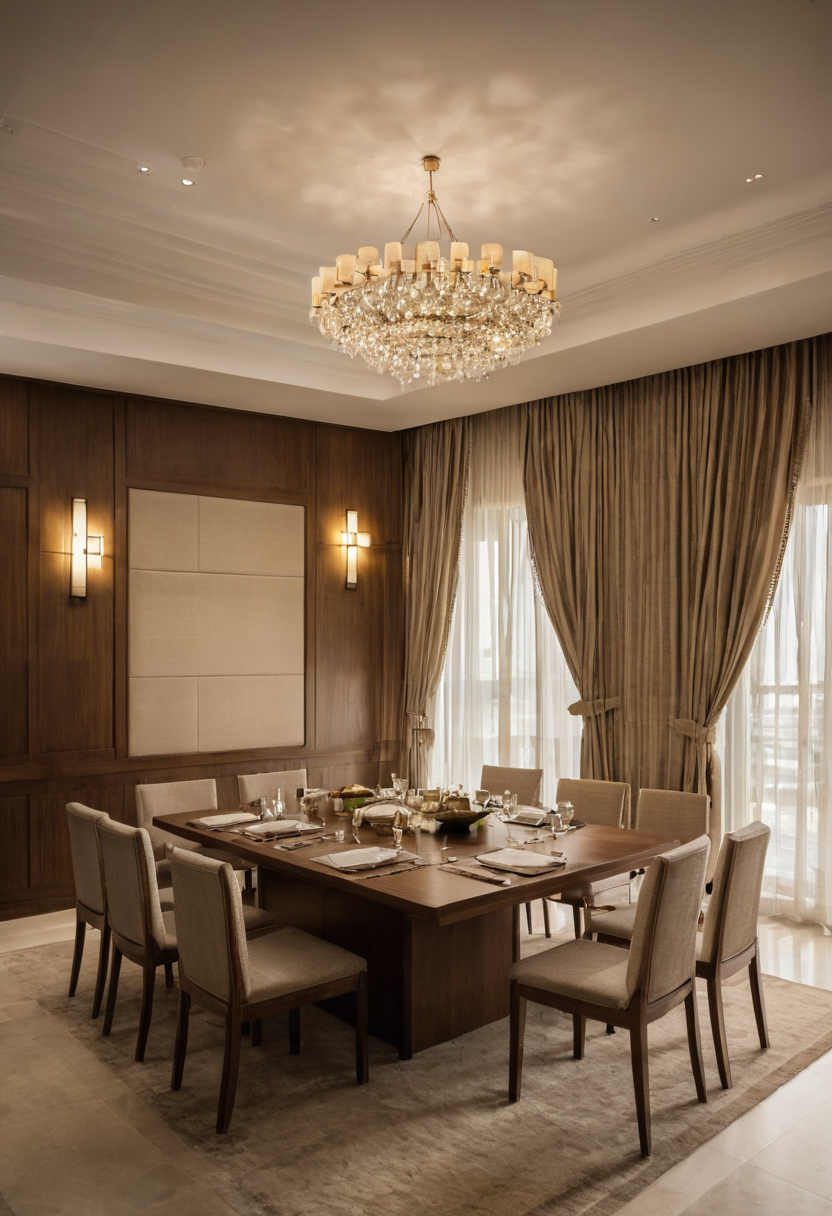
The worked example should use a drawing-to-cost reconciliation table
| Item | Drawing | Quantity | Build-up | Rate status |
|---|---|---|---|---|
| Each joinery element | Traceable reference | Measured takeoff and unit | Specified materials | Included, provisional or unpriced |
Recorded variations reveal which original scope gaps affected the final cost
Each variation needs an instruction, quotation, approval and completion record. Classify it as design development, client change, measurement error, omitted scope or unforeseen site condition, then record its cost and schedule effect.
How should a villa owner compare majlis joinery quotations before appointment?
A villa owner should account for exclusions before ranking totals. Each bidder must price the same drawings, quantities, specifications, interfaces, schedule, warranty and tax treatment.
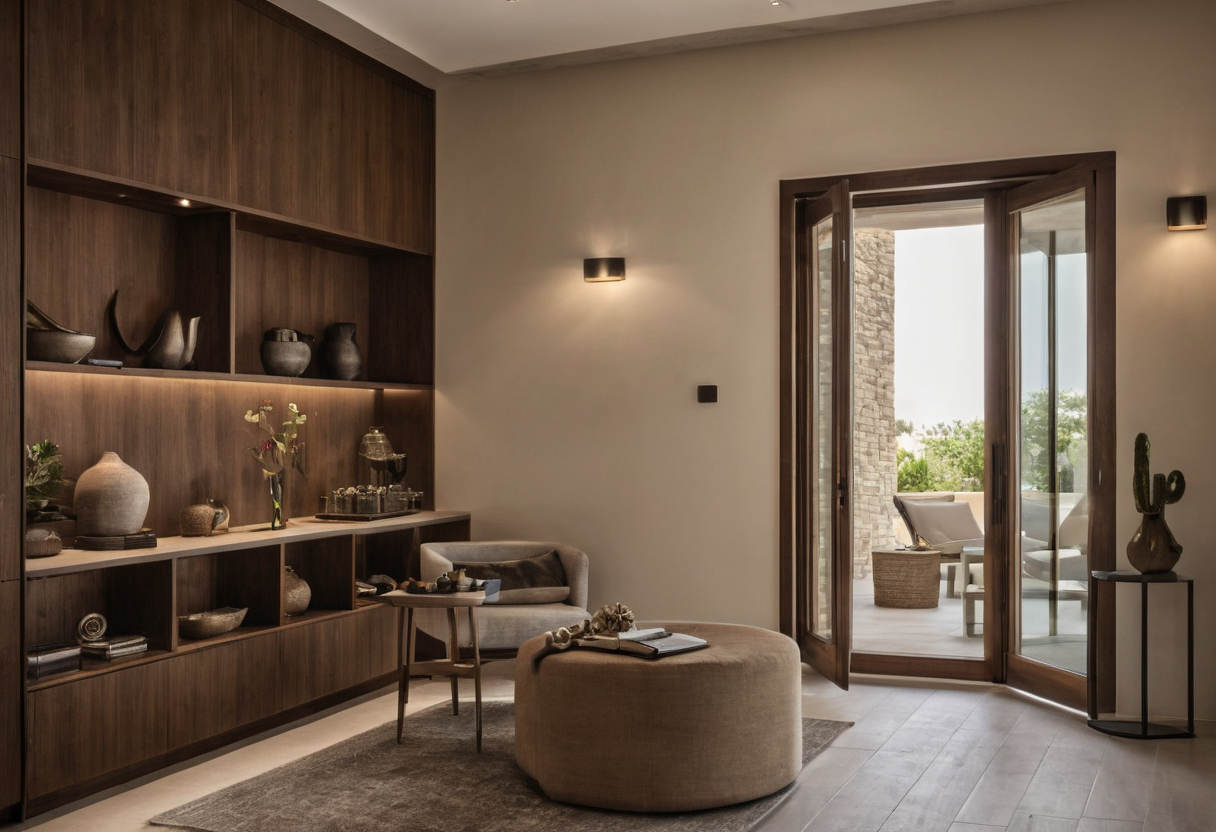
A majlis joinery bid comparison should normalise exclusions before price
- List every qualification, exclusion and provisional allowance.
- Price excluded lighting, upholstery, stone, protection and making-good work.
- Compare totals on the same VAT basis.
- Record lead time, currency and substitution conditions for imported items.
- Require formally issued clarification responses.
The joinery appointment should lock drawings, samples, and change control
Attach the drawing register, material schedule, sample register and required mock-ups to the appointment. Define document precedence, variation approval, delay, defects, retention and payment procedures before issuing the production order.
Majlis joinery schedule risk begins before factory production
Majlis joinery lead time depends on completed coordination, site verification, material approval, procurement, fabrication, finishing, installation and snag closure. A promised delivery date is credible only when the schedule identifies those dependencies and any long-lead veneers, hardware, lighting components or specialist finishes.
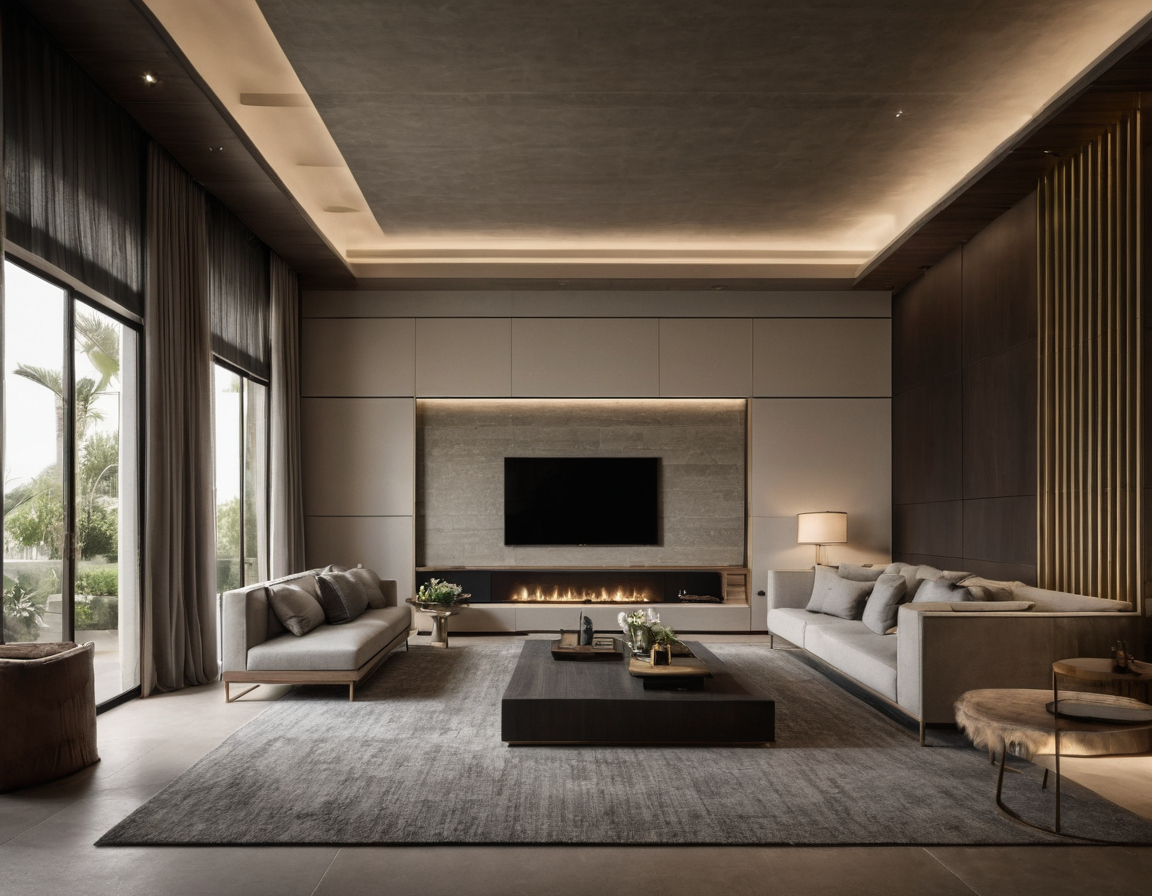
Joinery production should not start from uncoordinated majlis drawings
Production release requires approved-for-production drawings, signed finish samples and a final site survey reconciled against the shop drawings. Electrical, lighting, HVAC, stone, glass and upholstery interfaces must show agreed dimensions and responsibilities.
Cutting prematurely turns unresolved information into rework. A moved socket, revised stone thickness or changed upholstery build-up can alter panel dimensions, access openings and concealed supports after materials have been ordered.
Handover should assign inspection and rectification duties and require warranties, product data, cleaning instructions, spare components and as-built information. Appoint the contractor against these documented release gates, not an unsupported factory completion date.