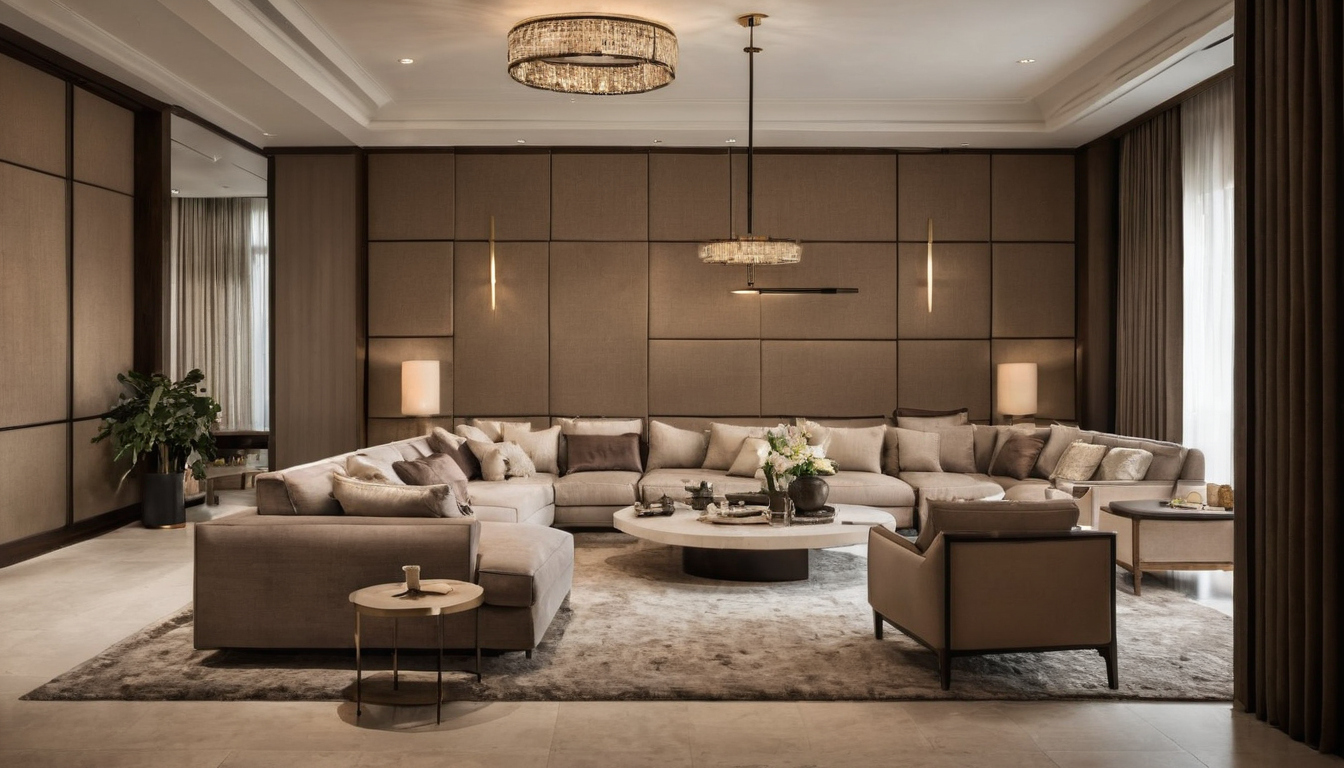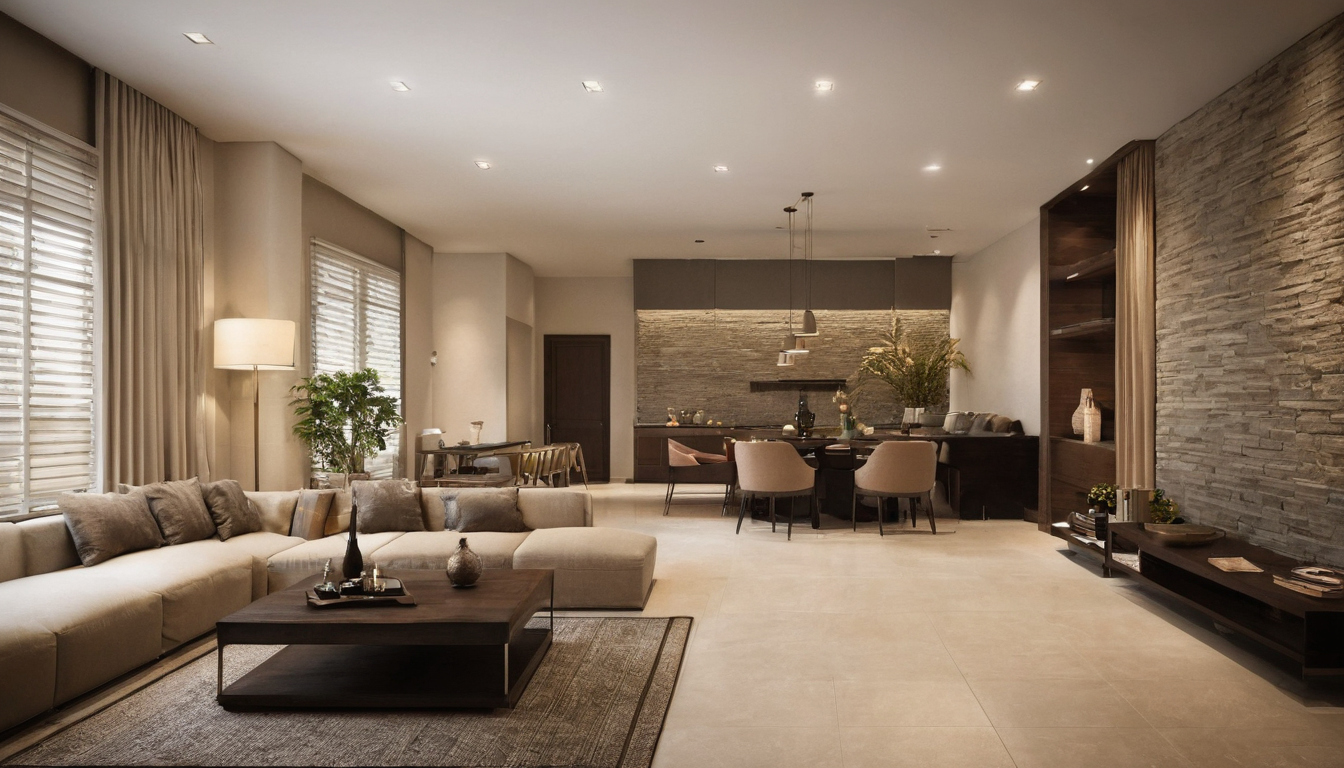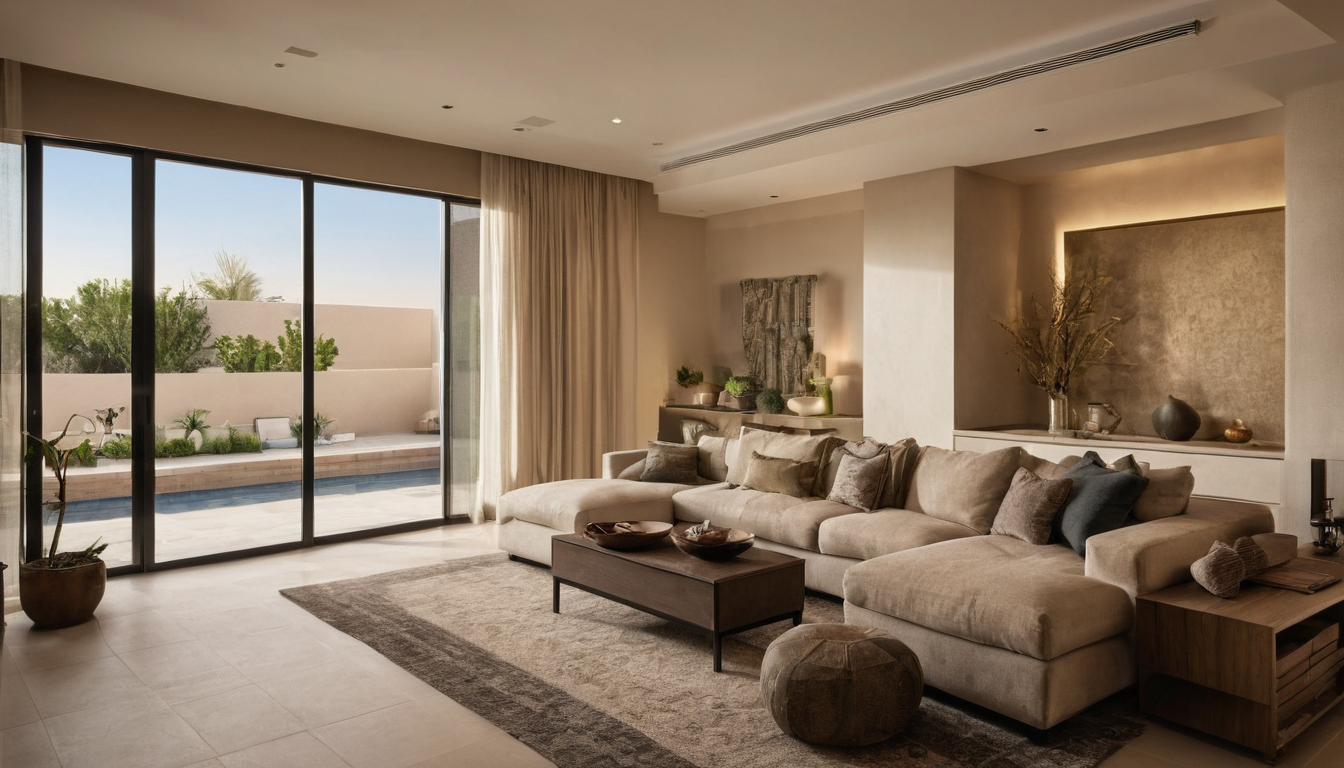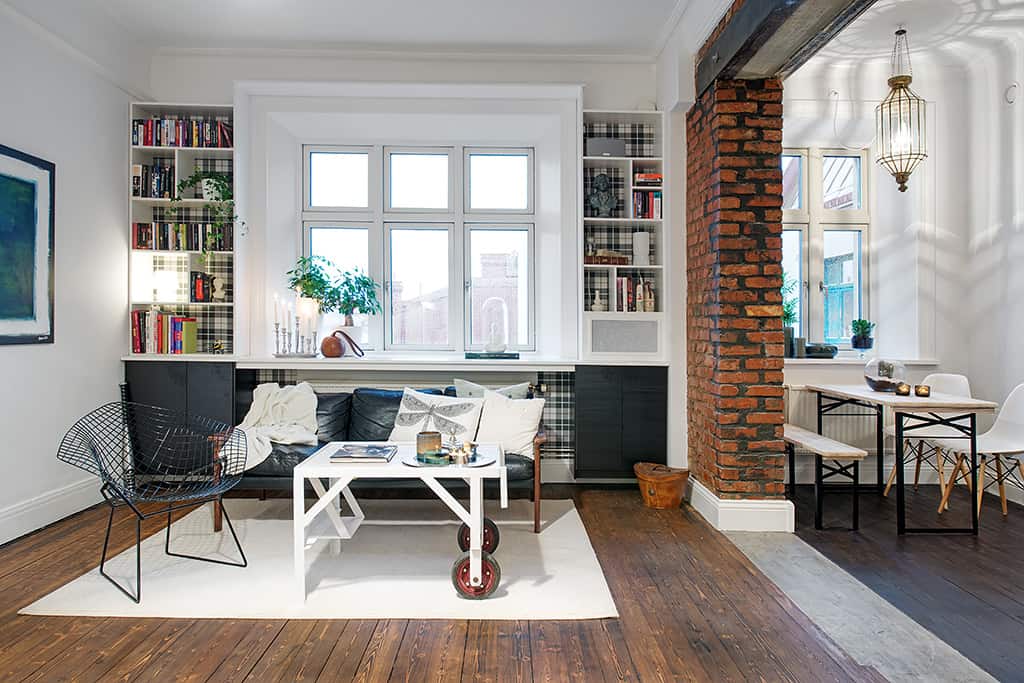
A room can look good in a photograph yet feel inconvenient at home. The difference is often planning: the furniture fits the image but not the way people move, store things or use light. Begin with those practical needs and the decorative choices become easier.
Start with a one-page brief
Write down who uses the room, what they do there and which existing items must stay. A bedroom may need a calm sleeping area, a dressing position and somewhere to put a book. A sitting room may need space for conversation as well as a screen. Rank these uses before selecting a style.
Take measurements of the room, doors, windows and furniture. Mark electrical outlets and air-conditioning grilles. Test the largest pieces on a simple floor plan, including space to open drawers and move past a table. If the layout fails on paper, reconsider it before buying accessories.
Choose an anchor, then edit around it
An anchor could be a rug, an existing sofa, a piece of art or a view. Take its colours and proportions into account, but do not make every item match. A few repeated materials can connect the room while differences in texture keep it from feeling like a display set.
Keep samples together: flooring, upholstery, paint, metal finish and curtain fabric. Check them where they will be installed, in daylight and under the room’s lamps. This catches clashing undertones and impractical fabrics before an order is placed.
Plan lighting and storage together
Use light where tasks happen. A lamp beside a chair is more useful for reading than a bright central fixture across the room. Consider glare on screens and mirrors, and whether a table lamp will have a safe route to an outlet.
Storage should fit the things you actually own. Measure books, games, tableware or equipment, then decide what should remain visible. Closed storage calms a busy room; open shelves work best when their contents are selected rather than simply accumulated.
Add accessories with a reason
Keep a short list of measurements and finish names on your phone when you shop. It saves guesswork when an appealing object turns up unexpectedly.
Finish with objects that help the room or matter to its occupants. A plant needs an appropriate light position; a tray can gather small items; art should suit the wall and viewing height. Leave some space empty. If you are uncertain about a purchase, wait until you have lived with the main furniture and lighting. The remaining gaps will become clearer.