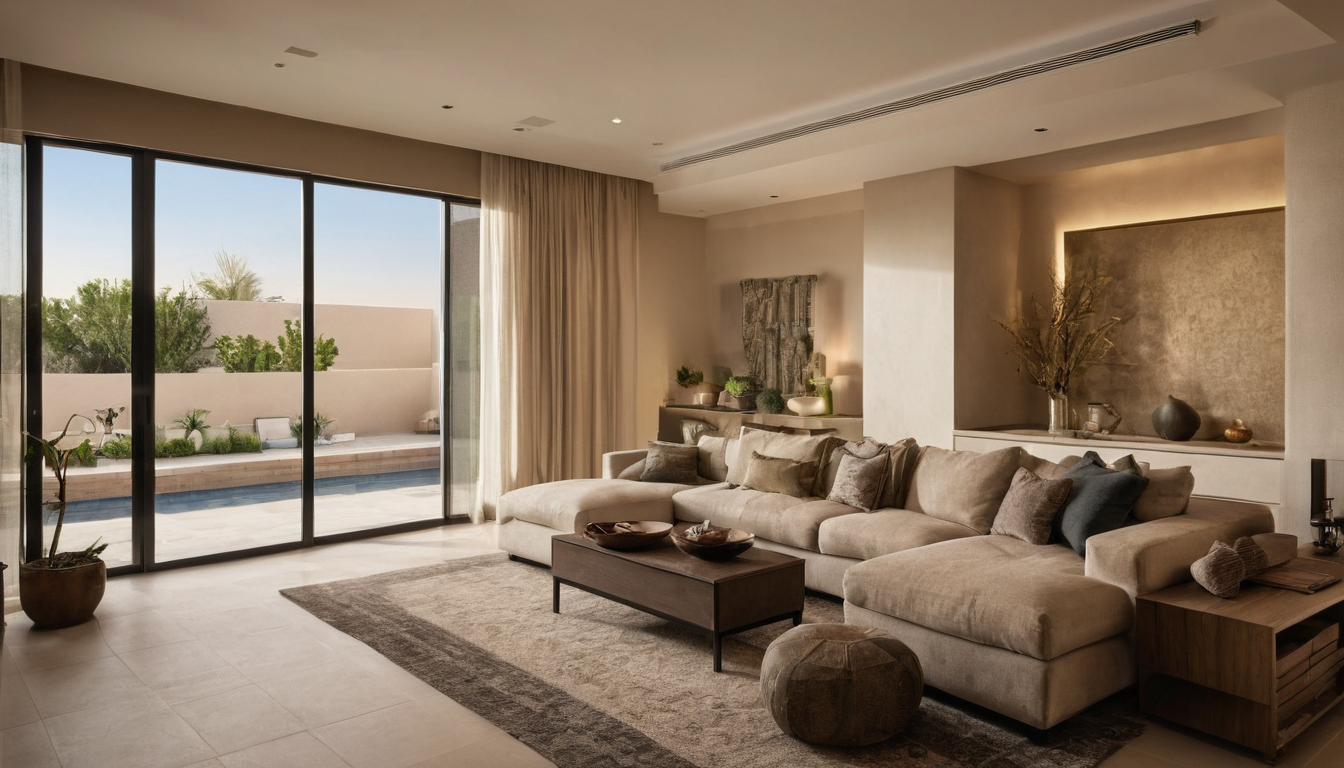
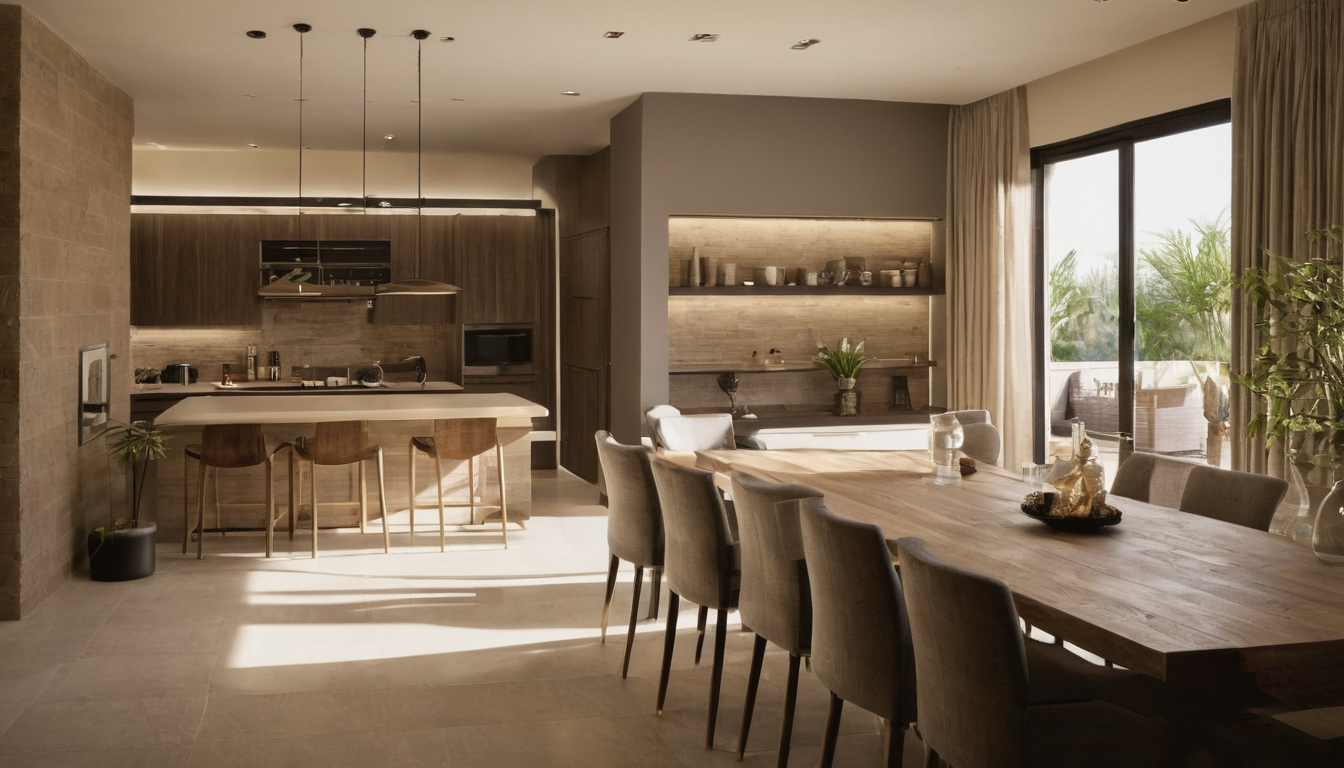
The strongest luxury rooms are rarely defined by how many costly finishes they contain. They feel coherent because the furniture fits, the lighting is measured, and the materials reward attention. That level of care begins with a clear brief rather than a list of fashionable purchases.
Define the experience first
Describe how each room should work on a normal day. Is the sitting room for quiet conversation, large gatherings, or both? Should the dining area feel formal when guests arrive and easy to use at breakfast? Answers such as these shape seating, circulation, storage, and lighting far more effectively than a style label alone.
For a new home or substantial renovation, settle the number and relationship of rooms before selecting finishes. A generous bedroom loses its appeal if the route to the bathroom is awkward. Likewise, a showpiece kitchen needs practical preparation space and a place for the equipment that normally lives on its counters.
Spend attention on proportion
A large sofa can anchor a room, but it should leave comfortable routes around it. Tall doors, low seating, broad rugs, and slim tables each alter how a space feels. Make a scaled plan and compare furniture dimensions with doors, windows, and ceiling height. The aim is a balanced composition, not maximum size in every category.
When considering bespoke work, ask what problem it solves. Custom cabinetry may make sense around an unusual alcove; a standard piece may be preferable when the room is straightforward. Detail is most persuasive when it has a purpose.
Choose materials for the way they will be used
Natural stone, timber, metal, upholstery, and plaster offer different textures and maintenance demands. Request physical samples and view them together in the intended room. A polished surface may look elegant in a photograph but show fingerprints in a busy family space. A textured weave can feel inviting yet need more careful cleaning.
Keep the palette disciplined enough that the eye can register those differences. Repeating a timber tone or metal finish across several elements is often calmer than introducing a new statement material at every turn.
Make light part of the design
Plan ambient, task, and accent lighting together. A pendant may define a dining table, while lamps support reading and wall lighting reveals texture. Put controls where someone entering the room can use them intuitively. Mock up likely evening conditions before committing to fixture locations.
Luxury also means being able to sit comfortably, find what you need, and maintain the space without anxiety. When those practical questions are resolved, decorative restraint feels intentional and special details can earn their place.