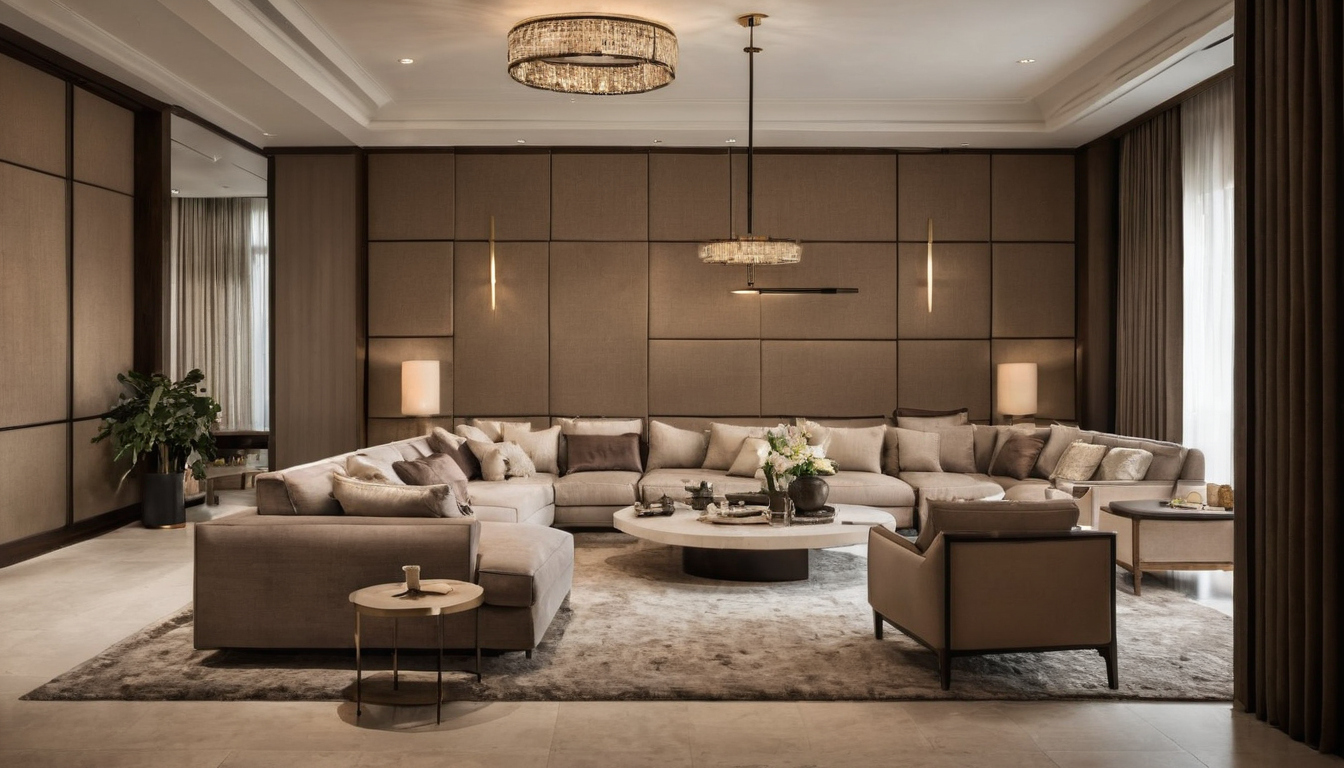
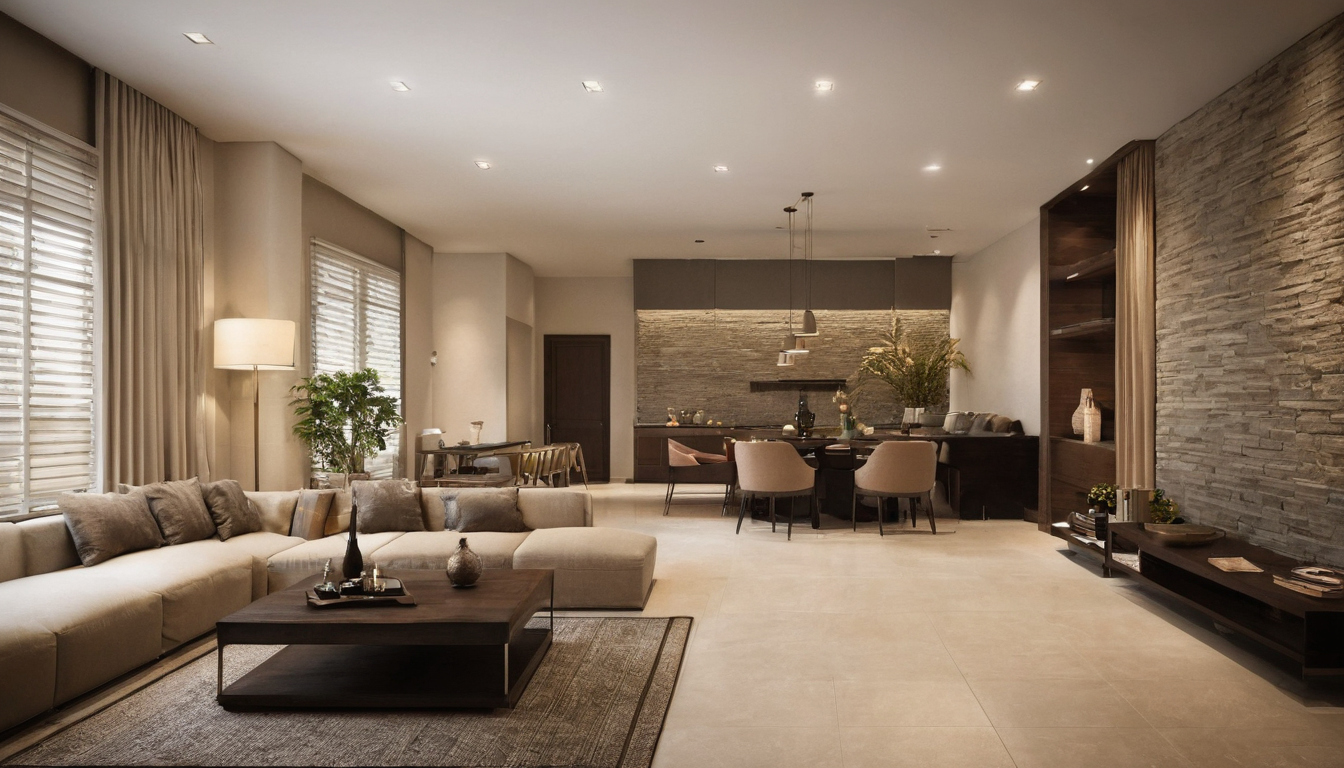
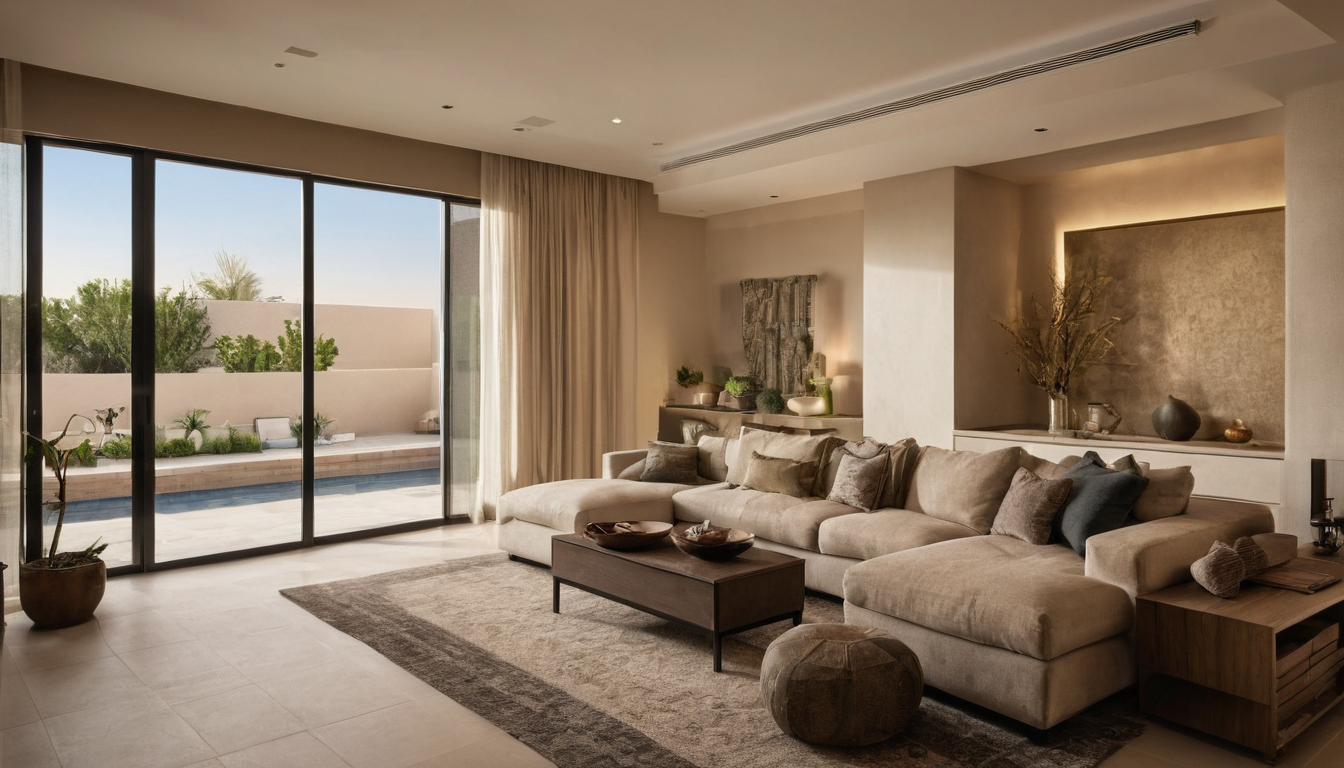
A room can contain attractive furniture and still feel unsettled. Usually the problem is less about taste than about relationships: a chair blocks a route, the lamp is in the wrong place, or everyday objects have nowhere to go. Start by watching how the room is used before choosing a new color.
Map the way people move
Stand at the entrance and identify the path to each frequently used seat, cabinet, and door. Keep that route clear, then group furniture around the main activity. In a living room, conversation may matter more than a perfect view of the television; in a bedroom, easy access to both sides of the bed may matter more than a symmetrical photograph. Try moving pieces on paper before lifting anything heavy.
Measure the largest item and the available floor area. A rug should make sense beneath the furniture it connects, not float as an isolated rectangle. If a sofa is too deep for the room, rearranging smaller accessories will never correct its scale. A furniture plan now can spare you an ill-fitting purchase later.
Give clutter a destination
Notice what gathers on tables at the end of an ordinary day. Place storage where those objects actually land:
- Use a shallow tray for keys, chargers, and other small essentials.
- Give toys, folded throws, and less attractive supplies closed storage.
- Reserve open shelves for books and objects worth seeing, with space around them.
There is no need to make a room bare. A few familiar objects can provide the warmth that a newly furnished space lacks. The difference is that each one has a deliberate place.
Build light in layers
Ceiling lighting gives general visibility, but it rarely serves every task well. Add a reading lamp beside a chair, a softer lamp near a seating group, or directed light over a work surface. Check the room at the times you actually use it. Daylight may flatter a color in the morning while a single bright bulb makes it harsh at night.
Window coverings can soften glare and frame a view. Hang them in relation to the window and ceiling proportions rather than following a fixed formula. Test samples in the room before ordering large areas of fabric.
Finish with a restrained edit
Choose one or two materials or colors to repeat across cushions, art, or small objects. Repetition gives a room coherence without forcing everything to match. Put wall art at a height that relates to the furniture below it, and leave enough breathing room between pieces.
Finally, remove anything that exists only to fill a gap. A well arranged room is easier to live in because its layout, storage, and light answer real habits. The decorative details then have room to register.