Decorating a home is easier when you begin with how each room is used, rather than with a shopping list. Before choosing a colour or a sofa, notice where people sit, where they walk and what is already working. A useful first project is one room you use every day.
Draw the room before buying anything
Measure the walls, windows, door swings and existing furniture. Sketch the room on paper and mark the paths people take through it. A chair is wrong for the room if it blocks a cupboard or makes the route to the door awkward. Move the pieces you own first; even a small change in orientation can reveal a better conversation area.
Decide what the room must do. A living room might need quiet reading, family television and occasional guests. Those activities suggest different seating, sockets and light sources. Write down the non-negotiables, then choose one improvement to make first.
Build a palette from fixed surfaces
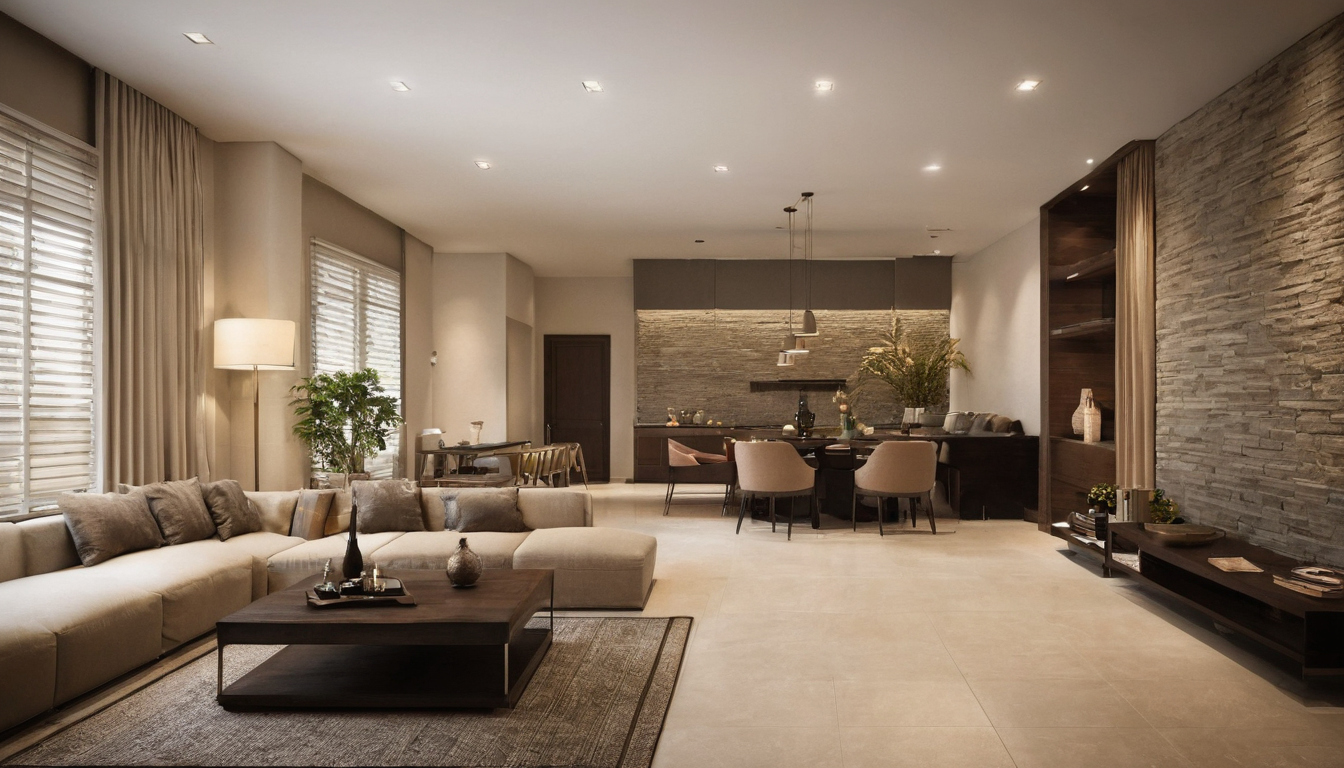
Floors, worktops and large sofas are expensive to change, so use them as the starting point. Bring fabric and paint samples into the actual room and view them in morning and evening light. A colour that looks warm in a showroom may feel flat beside a cool stone floor. Choose a main background colour, a supporting tone and one or two accents; they need not appear in equal amounts.
Colour can bring energy without covering every wall. If you are drawn to a vivid shade, using orange in interiors offers a focused way to think about its placement and neighbouring colours.
Layer light and finish slowly
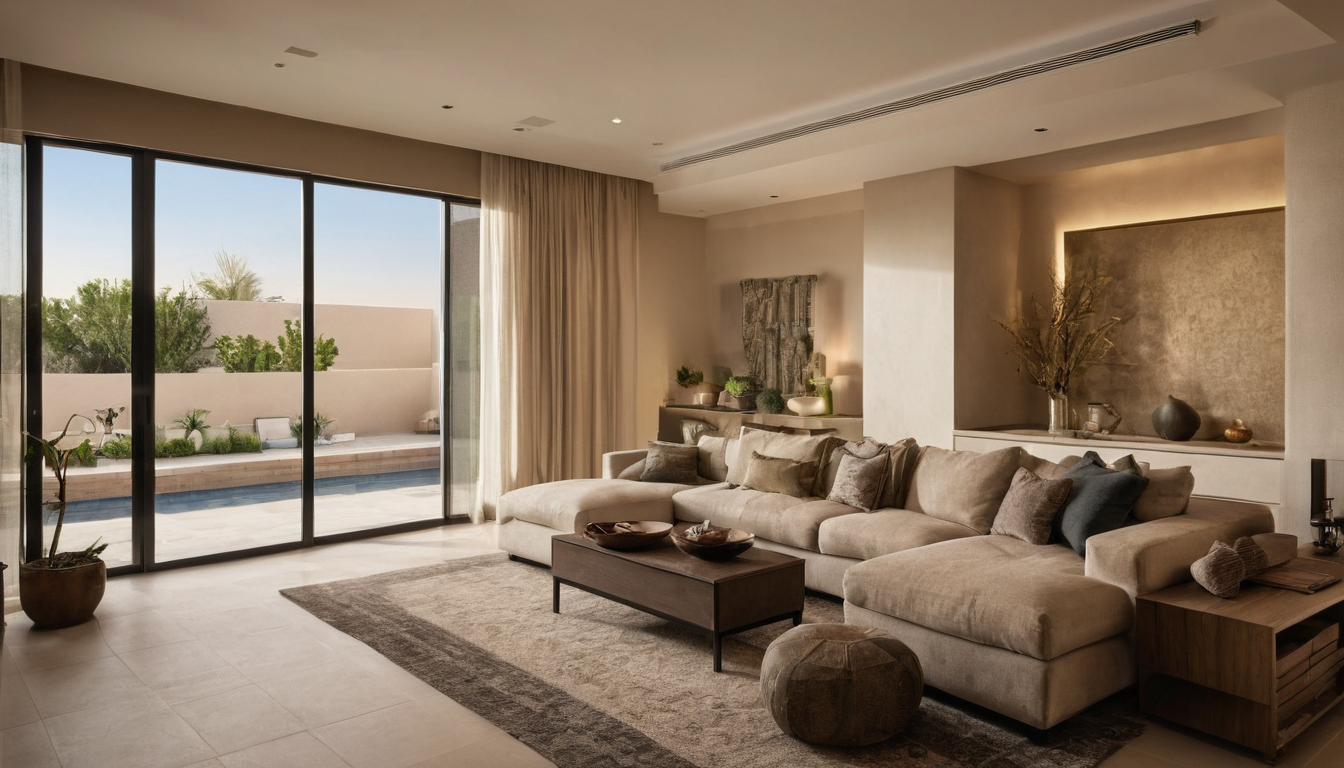
A ceiling fixture alone rarely serves every activity. Combine general light with a reading lamp, task light or a softer source near seating. Check that switches and lamp cords work with the layout before committing to furniture positions.
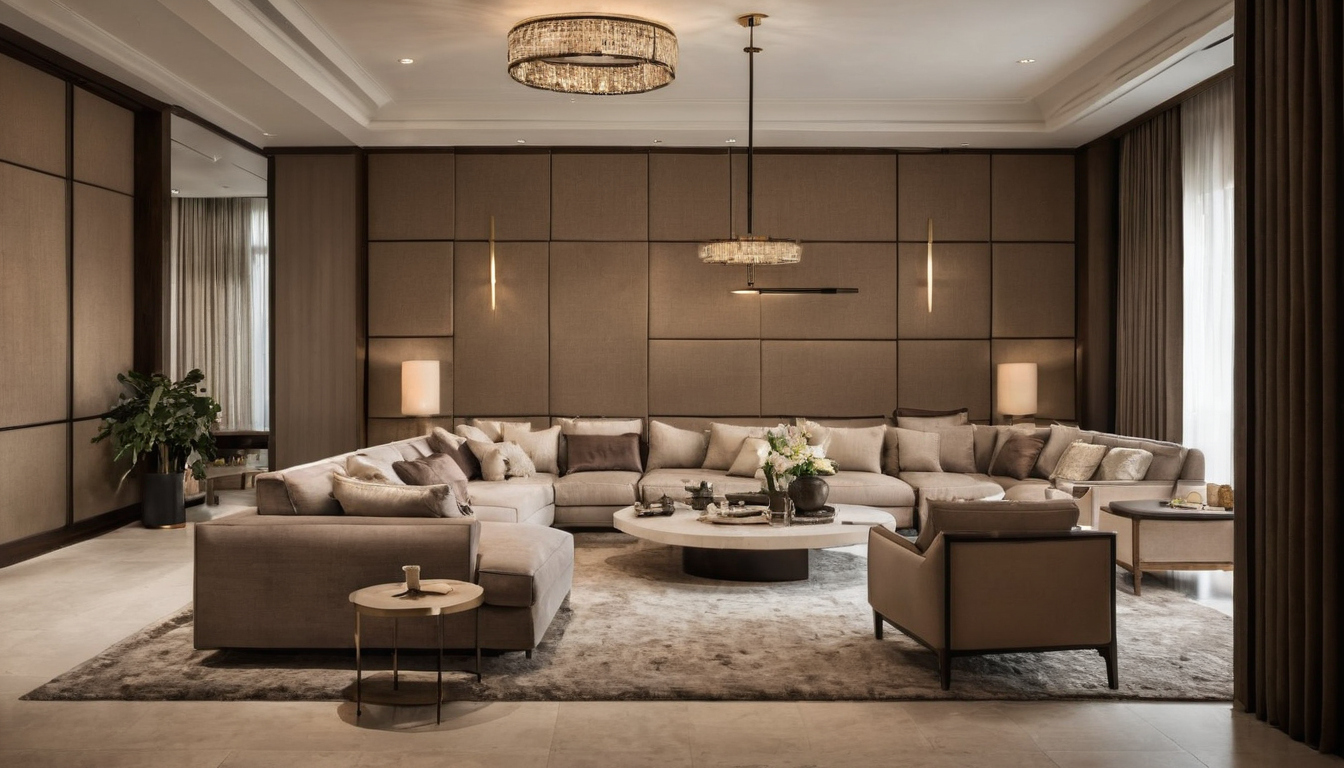
Then edit what sits in view. Group objects by purpose or material, leave some clear surface and give artwork enough space to be seen. Curtains can soften daylight; a rug can define a seating area, provided it fits the furniture rather than floating alone in the middle of the floor.
Keep a small record of sizes, fabric names and paint samples as you go. It makes later purchases easier to compare and helps you avoid bringing home a piece that only worked in a showroom.
Live with the first changes for a week. Notice whether the room is easier to use and where it still feels unfinished. That observation is a better guide for the next purchase than trying to complete the whole room in one shopping trip.