A seamless wall wrap can make a surface feel continuous rather than assembled from repeated strips. That makes it appealing for a feature wall, a long corridor, or a room where a mural needs an uninterrupted view. The effect can be strong, so plan it as part of the whole interior rather than as a last-minute decoration.
Choose the wall for the idea
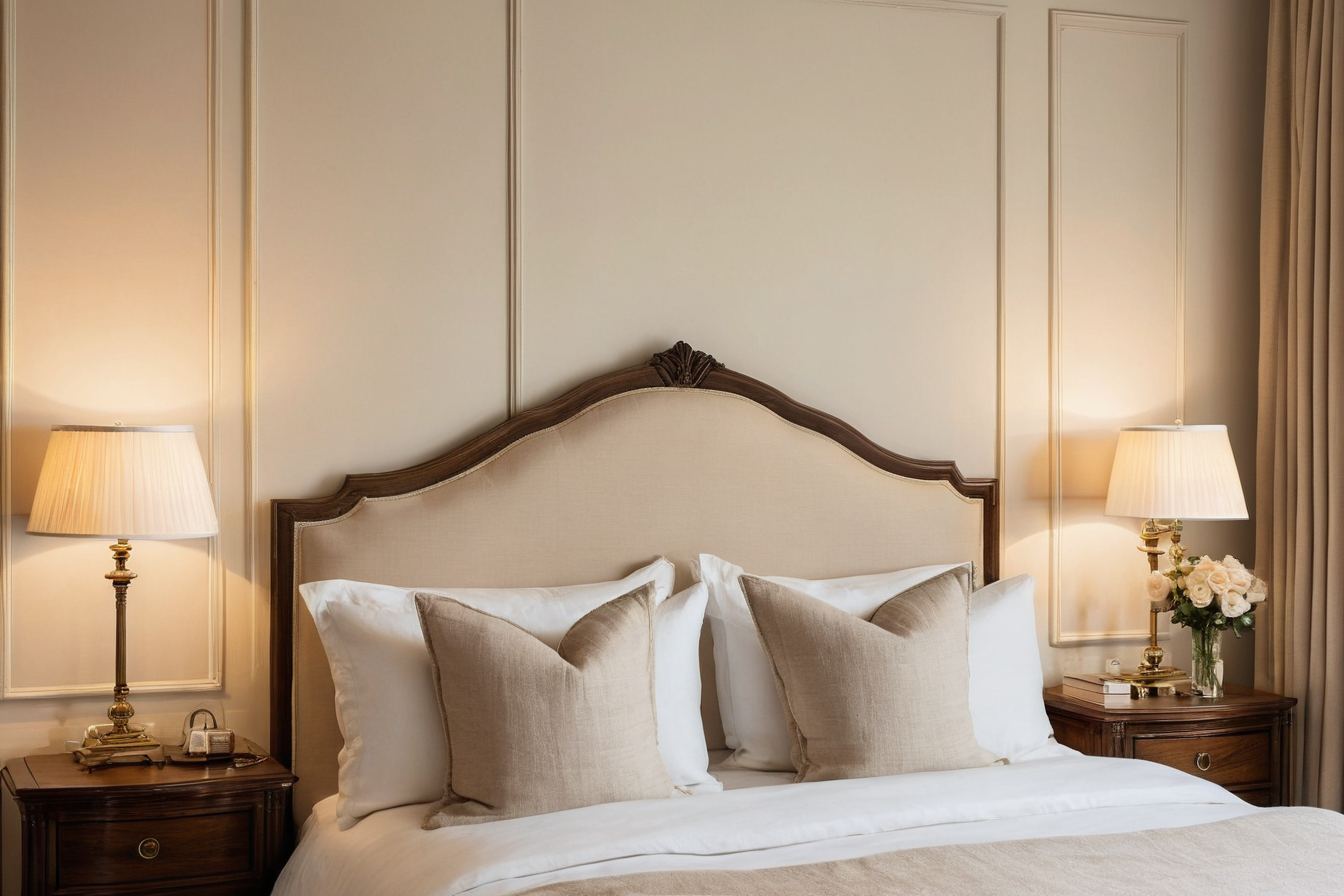
Start with the view from the entrance and the positions where people spend time. A wall behind a sofa or bed can hold a more detailed design because it is usually seen from a little distance. In a narrow passage, a quieter texture may be easier to live with than a large high-contrast image.
Measure visible surfaces after accounting for doors, built-ins, and furniture. A striking detail in the center of a sample may disappear behind a headboard or be cut awkwardly at a corner. Ask to see how the full design will be positioned on the actual wall dimensions.
Study color and scale in the room
A small swatch is useful for judging color and finish, but it cannot communicate the rhythm of a large pattern. Request a scaled elevation or a generous printed section. Compare it with flooring, upholstery, and any fixed cabinetry under both daylight and evening light.
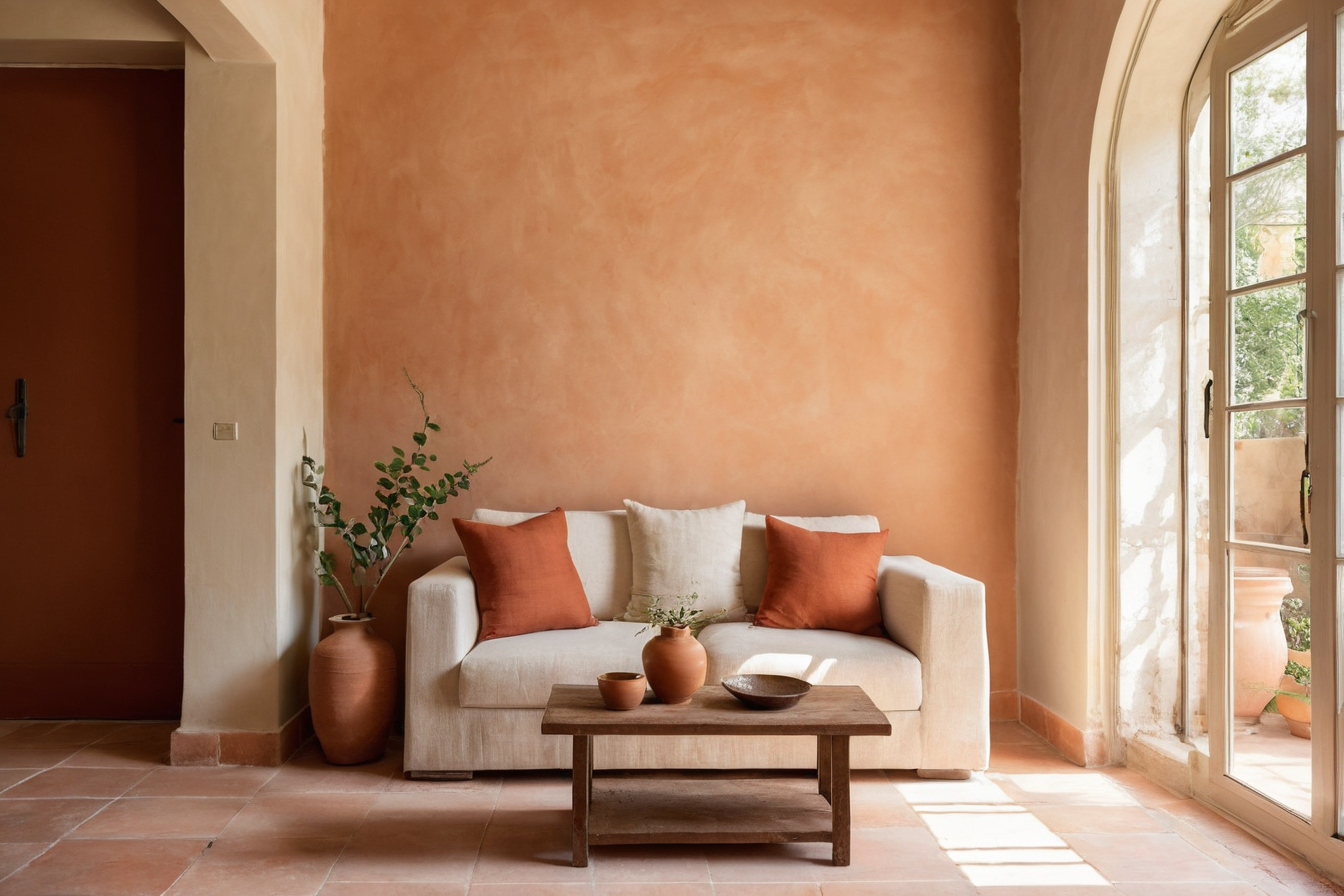
If the wrap contains several colors, pick one quiet tone for surrounding walls and repeat another in a small object. This creates a connection without requiring matching cushions or accessories throughout the room. Leave enough plain surface for the eye to rest.
Plan edges and openings
Seamless does not mean invisible at every edge. Corners, sockets, vents, and changes in wall plane still require careful layout. Discuss where the design will start and end, whether it will turn a corner, and how any unavoidable cut will align with the composition.
The wall beneath should be prepared to suit the chosen material. Ask the installer what condition is required, how the surface will be cleaned, and what happens if a section is damaged. The answers may differ by product and finish.
Let the room stay functional
Do not let a dramatic wall dictate an awkward furniture arrangement. People should still move comfortably, use the lights, and reach storage. A textured or pictorial wall often needs simpler art and fewer competing objects nearby.
Before ordering, live with the proposed image or sample in the room for several days. A design that still feels appealing at breakfast and in the evening has a better chance of becoming part of the room rather than a surface that soon feels overwhelming.