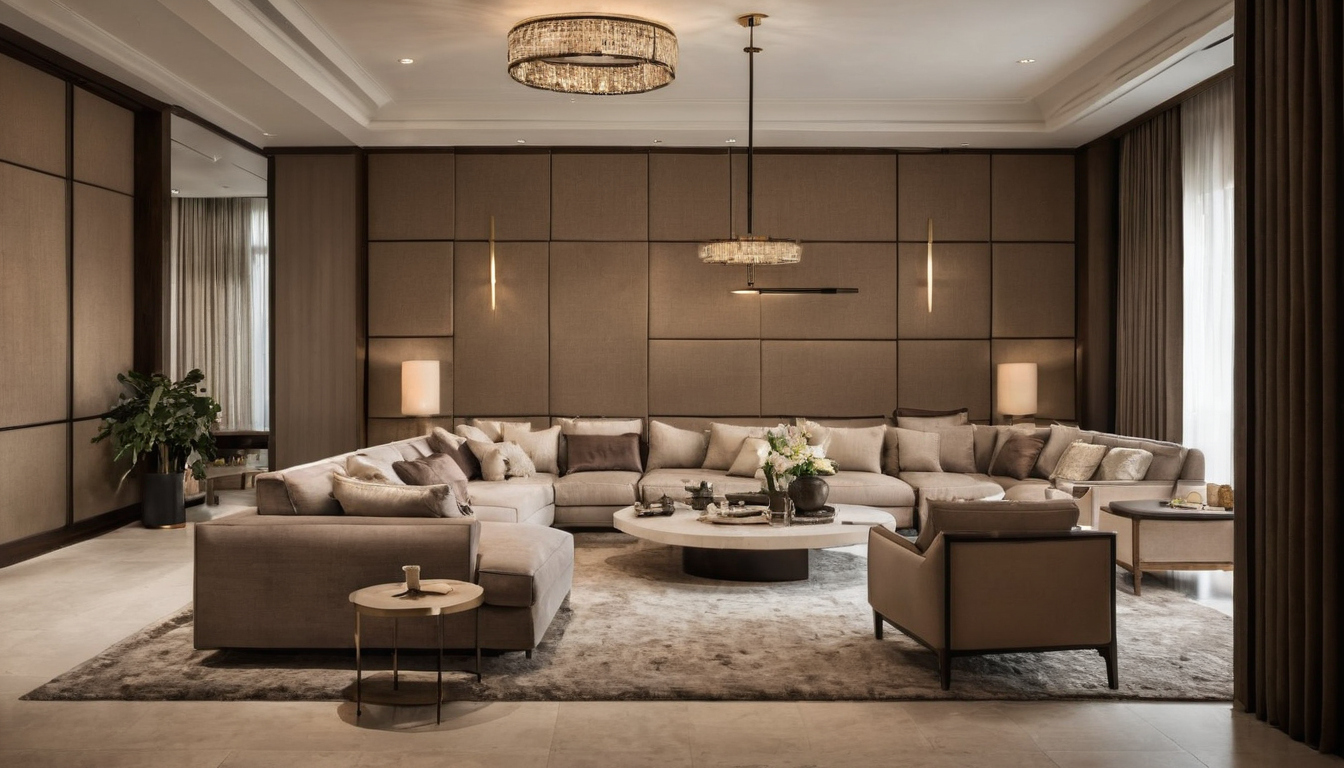
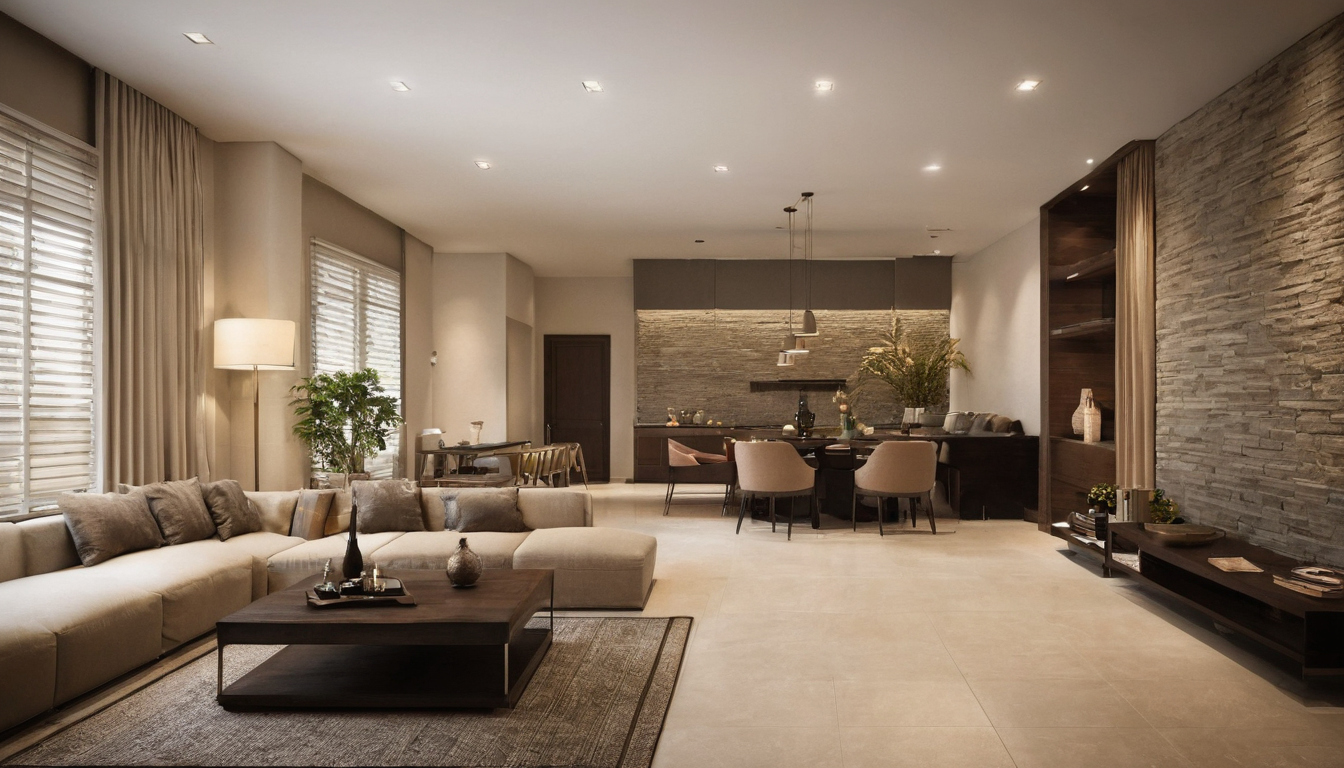
People often describe a room as calm, welcoming or awkward before they can explain why. Those reactions are shaped by practical cues: where the eye rests, whether a seat feels exposed, how light falls and how easily a person can change the setting. There is no universal formula for a “perfect” interior, but these cues offer a useful design starting point.
Give the room a clear purpose
A room serving quiet reading needs a different arrangement from one built around large gatherings. Decide which activities matter most and make space for them first. In a living room, seats facing one another support conversation; in a media room, glare and viewing positions need more attention. A room can support several uses when the furniture and light can adapt.
For further starting points, browse these interior design ideas and test each one against your own routines rather than copying a complete scheme.
Balance openness with shelter
Keep routes clear, and offer seating positions with different degrees of shelter and outlook. Arrange furniture to offer choices. A generous room can have a smaller conversation group within it; a compact room can feel less crowded when storage is organised and the walking route stays clear.
Privacy also changes by time of day. Window coverings should respond to daylight, outside views and the household’s preference for seclusion. Test them from both inside and outside where that matters.
Use light and texture deliberately
Bright overhead light is useful for some tasks and tiring for others. Provide a way to soften it, and add local light for reading or work. Materials influence the experience too: upholstery can quiet a hard room, while a reflective surface may intensify glare. Handle samples in the room before deciding what feels right.
Leave room for personal meaning
Sound also matters. Hard floors, bare walls and tall ceilings can make conversation tiring. Try a rug, curtains or upholstered seating before assuming that the room needs more decoration. The goal is a space that feels comfortable through an ordinary evening, not only in a still image.
Family objects, books and artwork can make a designed room feel lived in. Give important pieces space rather than spreading small items everywhere. Invite the people who use the room to try the layout before treating it as finished. The strongest test is ordinary life: can they sit, talk, rest and find what they need with ease?