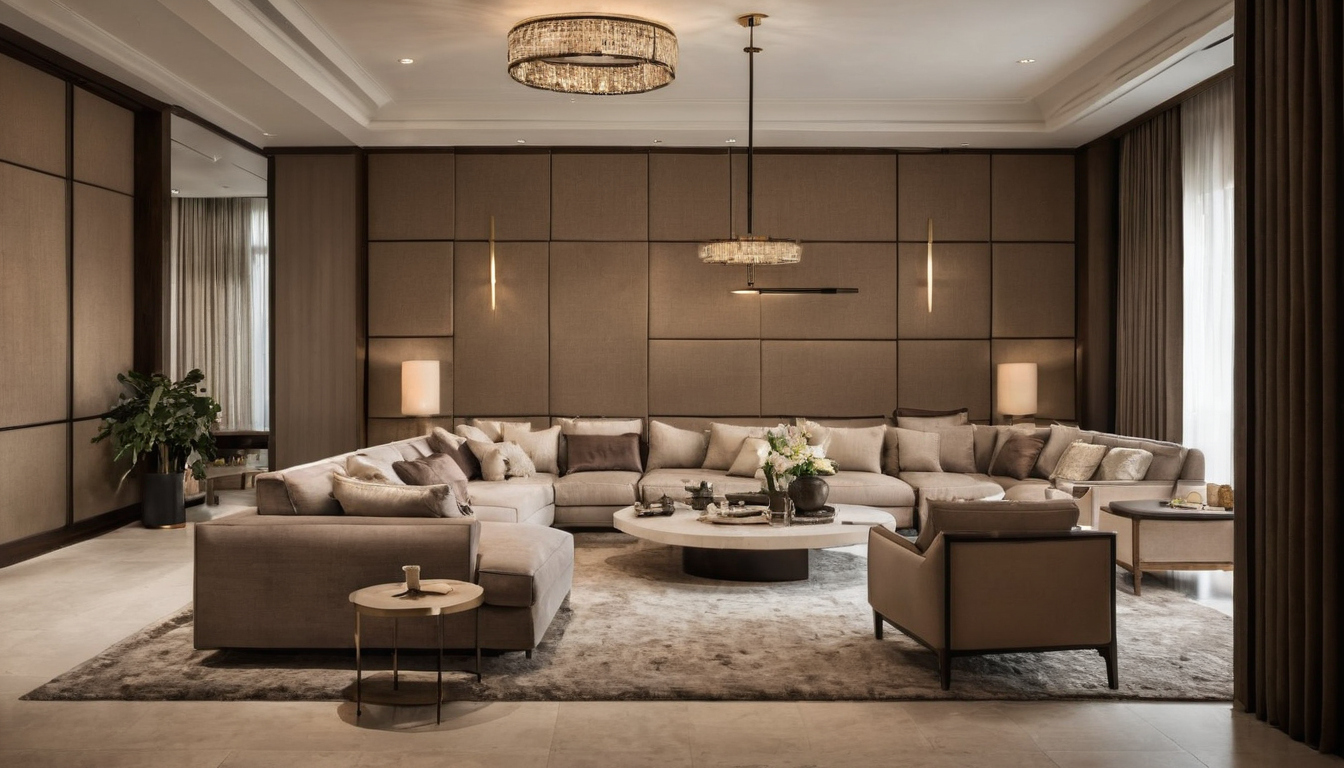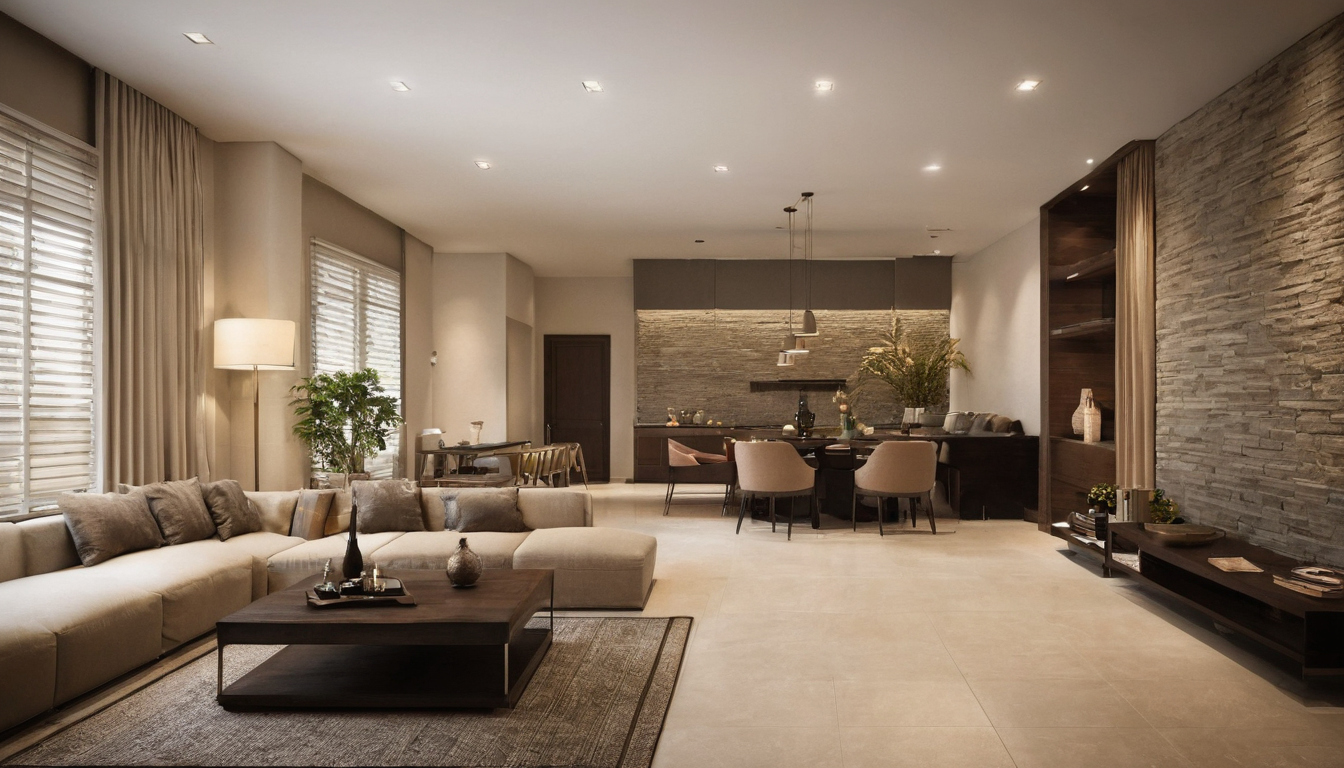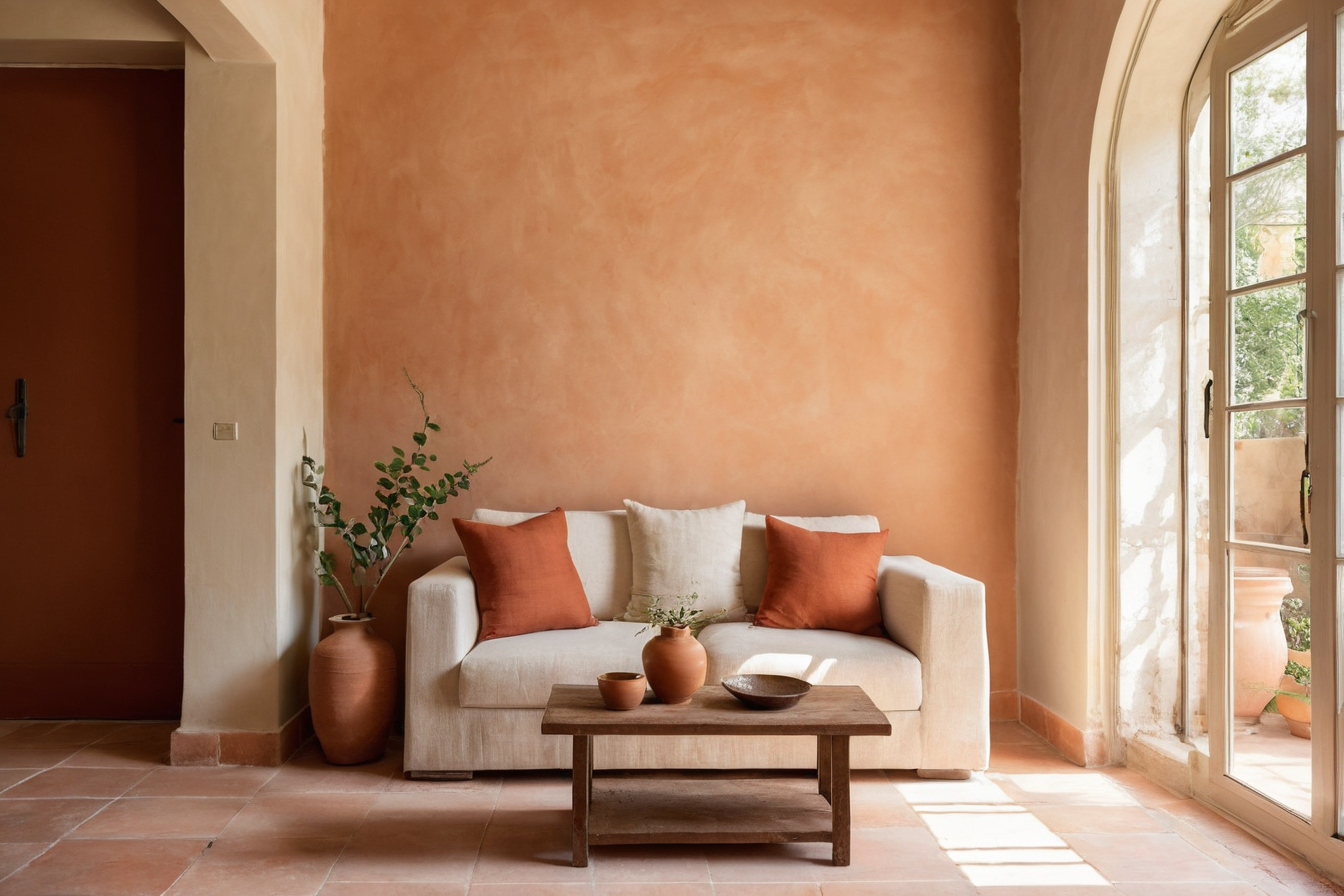
There is no single design solution that suits every home. A room that feels crowded may need less furniture, while another needs better light or more useful storage. Name the problem before choosing the object that promises to fix it.
Separate frustrations from preferences
Walk through the room at the times you use it most. Note where movement stops, where clutter gathers and which activities happen in poor light. Then list what you like: a view, a well-made chair, the colour of the floor. Keeping these observations separate prevents a full redesign when a smaller change would help.
Photograph the room from each doorway and measure the principal pieces. Mark each item as keep, repair, reupholster, relocate or remove. A sofa that is the wrong size for one wall might work on another; a useful cabinet may need different internal shelves rather than replacement.
Try a layout without a purchase
Clear a route between entrances and the main activities. Shift chairs into conversation range and check that tables are reachable from their seats. Consider what the windows do throughout the day: a chair facing strong glare may be unpleasant even if it looks balanced on a plan.
Use floor tape or cardboard to represent a proposed new piece. Test door swings, access to storage and the space needed to sit down. If a wheelchair or mobility aid is part of the household, measure and test for that person’s actual needs rather than relying on a generic rule of thumb.
Choose one visual direction
Pick a few qualities you want the room to have, such as quiet, warm and easy to maintain. That is more useful than chasing a broad style label. Repeat a small number of materials or colours, then allow a few contrasting pieces to give the room character. The result should answer the household’s own preferences.
Spend in order of impact
Write down the reason for each proposed purchase. If it solves no recorded problem and adds no lasting pleasure, it can wait. This simple pause protects both space and budget, and gives you time to check the measurements once more.
Start with changes that affect use: layout, lighting, window control and storage. Finish with rugs, artwork and smaller objects once the main pieces are settled. Pause between purchases. Living with each change reveals whether the original frustration has been solved or whether the next decision should be different.